Demolishing an inherited or vacant property in Ontario: where to start
By Sofia Vogel · Updated 2026-08-24
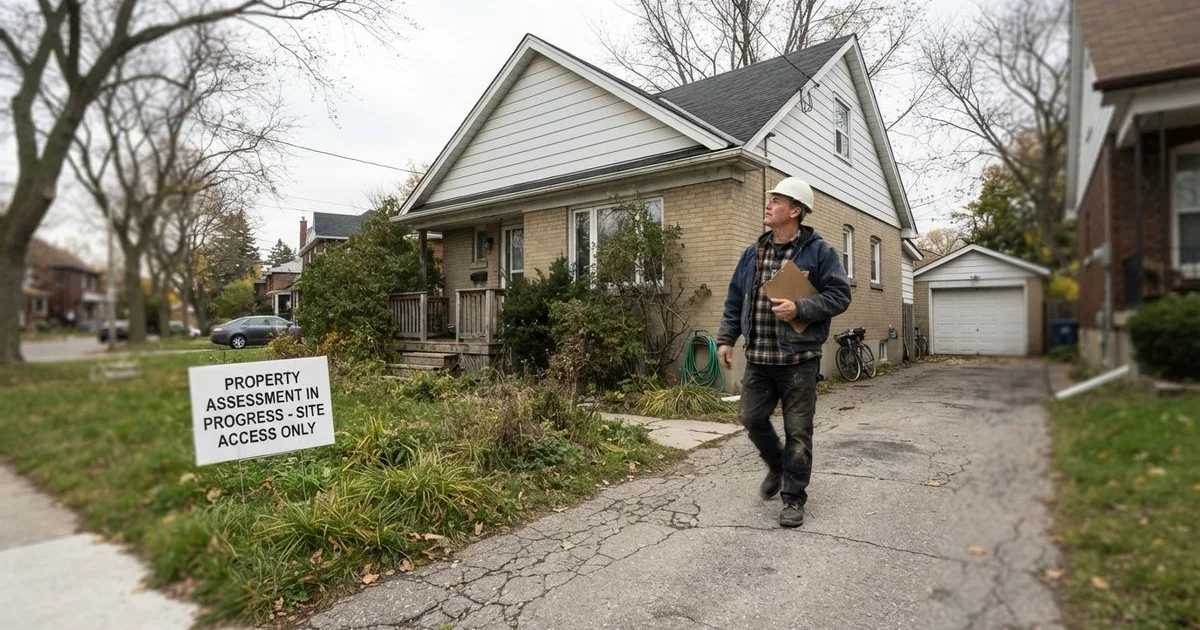
Dealing with a property left behind by a family member, whether through inheritance or after years of vacancy, comes with practical and emotional weight that a straightforward demolition project doesn’t usually carry. It’s worth taking this slower than a typical teardown, both for the legal steps involved and for your own sake.
Confirm legal authority before anything else
Before arranging any demolition, confirm who has legal authority to make decisions about the property. If the estate hasn’t been settled, or probate hasn’t been granted, demolishing or significantly altering the property can create legal complications later, even with good intentions. An estate lawyer can confirm exactly where things stand and what authority the executor or beneficiaries currently have.
Secure the property first
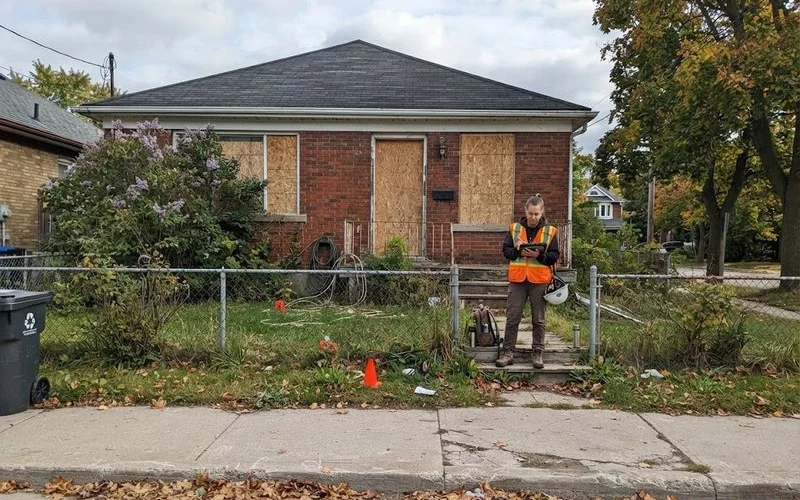
If the home has been vacant for any length of time, securing it against weather damage, trespassing, and further deterioration is a reasonable first step regardless of what happens next. Boarding windows, checking that the roof isn’t actively failing, and confirming utilities are safely shut off (rather than simply unpaid and potentially still live) all reduce risk while decisions get made.
Get a condition assessment before deciding
It’s easy to assume a vacant, aged property is automatically a teardown, but that’s not always true. A structural assessment can reveal that a house is genuinely sound and worth renovating or selling as-is, or confirm that demolition really is the more practical path. This step matters because the emotional weight of an inherited property can push toward either extreme, holding on too long or demolishing too quickly, without a clear-eyed look at the property’s actual condition.
If demolition is the right path
Once the legal and condition questions are settled, the process itself follows the same steps as any residential demolition: permits, any hazardous material testing (more likely relevant in an older, long-untouched property), utility disconnection, and the physical teardown itself.
| Step | Why it matters here specifically |
|---|---|
| Confirm estate authority | Avoids legal complications from acting before authority is clear |
| Secure the property | Reduces risk and further deterioration while decisions are made |
| Condition assessment | Confirms demolition is genuinely the right call, not an assumption |
| Hazardous material testing | More likely relevant given the property’s age and vacancy history |
| Standard demolition process | Same permits, disconnection and teardown steps as any project |
Taking your time with this one
There’s no need to rush a decision on a property tied to a family loss or a long vacancy. Getting the legal and structural facts straight first, even if it takes a few extra weeks, tends to lead to fewer regrets than moving quickly under pressure from other family members or a looming sale deadline.
When you’re ready to move forward, you can browse contractors on the Ontario Excavation & Demolition Directory and see how listings are scored for track record in our ranking methodology.
Weighing demolition against sale as-is
For some estates, selling the property as-is, land value included, is simpler than managing a demolition project on top of everything else the estate already involves. This is worth discussing with a real estate agent familiar with teardown-and-rebuild activity in the area, since some buyers specifically look for vacant lots or structures they plan to demolish themselves. If that describes the local market, the estate may not need to manage demolition at all.
If other family members are involved
Inherited property often means multiple beneficiaries with different opinions about what should happen to it. Getting everyone’s input before committing to a direction, whether that’s demolition, renovation, or sale as-is, tends to prevent disputes later. Where family members disagree and the estate can’t easily resolve it internally, an estate lawyer or mediator can help find a path forward without the disagreement stalling the property indefinitely.
Handling belongings and personal items first
If the property still contains furniture, personal effects, or items of sentimental value, sorting through these before any demolition work begins is worth prioritizing, even if it takes time. Once demolition starts, anything left inside is treated as debris. Many families find it easier emotionally to handle this step separately, on their own timeline, before a contractor is even involved.
This guide is general information, not legal or estate planning advice. Speak with an estate lawyer about the specific legal status of the property before making decisions.
FAQ
- Can I demolish a property before the estate is fully settled?
- Usually not until the estate has legal authority over the property, typically once probate is granted or the executor has clear authority to act. Confirm this with the estate's lawyer before arranging any demolition.
- Is a vacant, deteriorating house automatically a demolition candidate?
- Not automatically. Some vacant homes are structurally fine and worth renovating or selling as-is. A condition assessment before deciding avoids either overspending on renovation or demolishing something with more value than it appeared to have.
- Who pays for demolition on an inherited property?
- Typically the estate, before assets are distributed, though this depends on the will and how the estate's finances are structured. An estate lawyer or executor can clarify this for a specific situation.
- What should I do first if the property has been vacant for years?
- Secure the property against trespassing and weather damage, then get a condition assessment before making any decisions about demolition versus renovation versus sale as-is.