Commercial & Industrial Demolition in Ontario
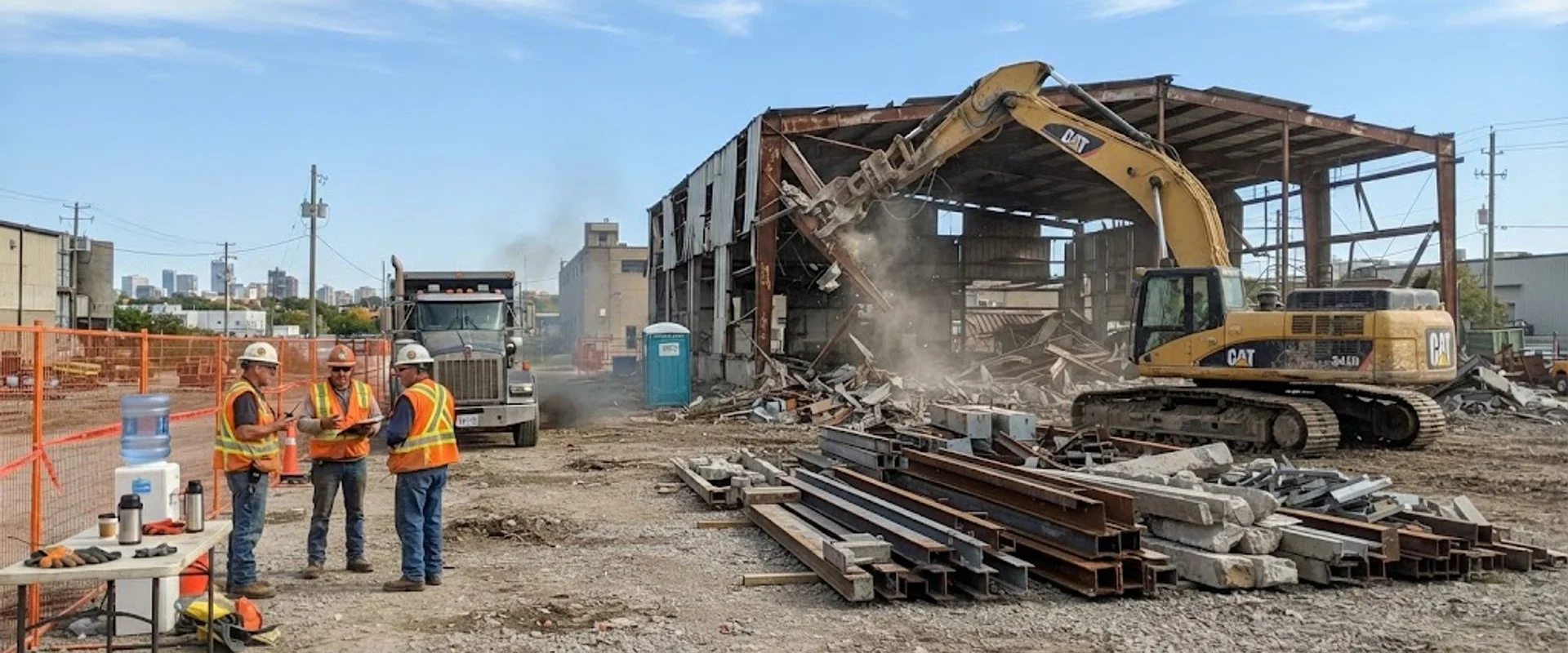
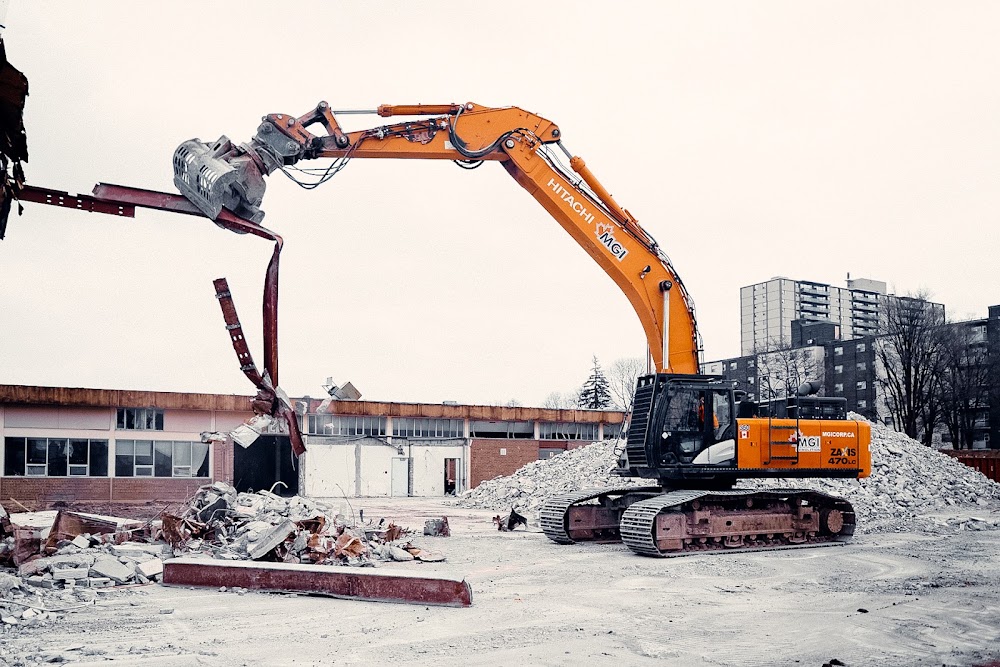
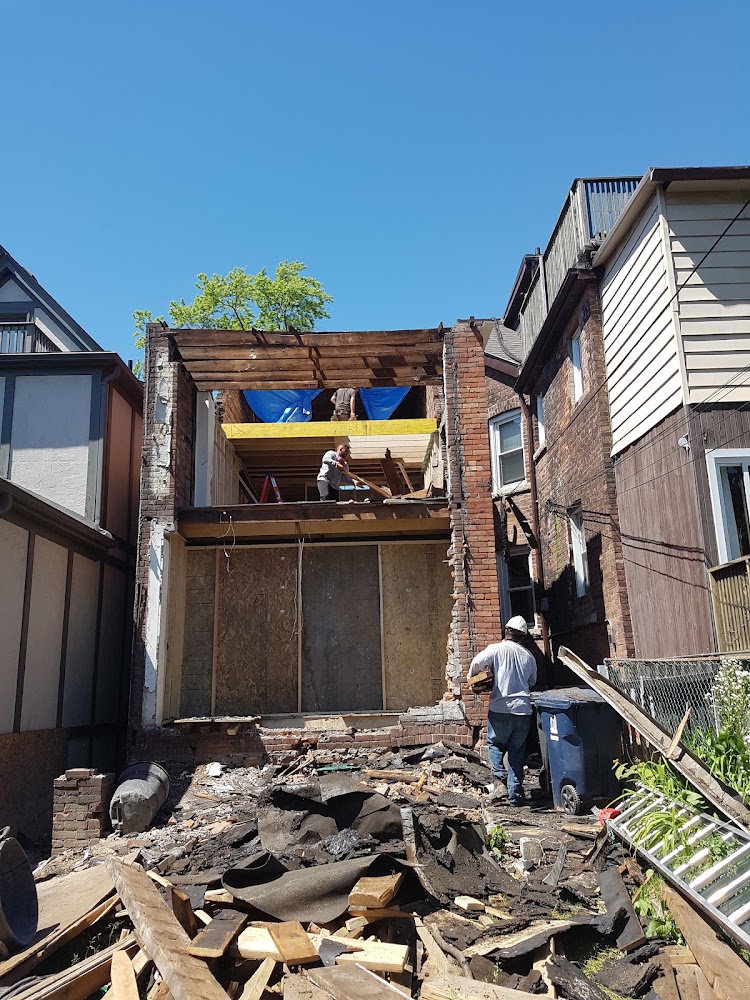
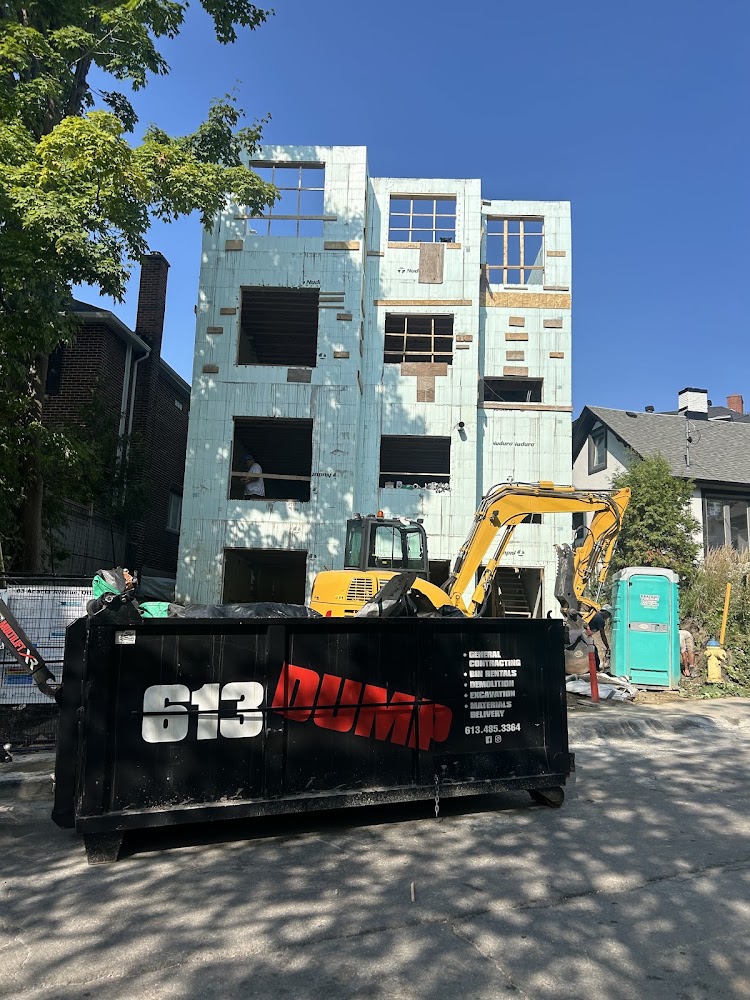
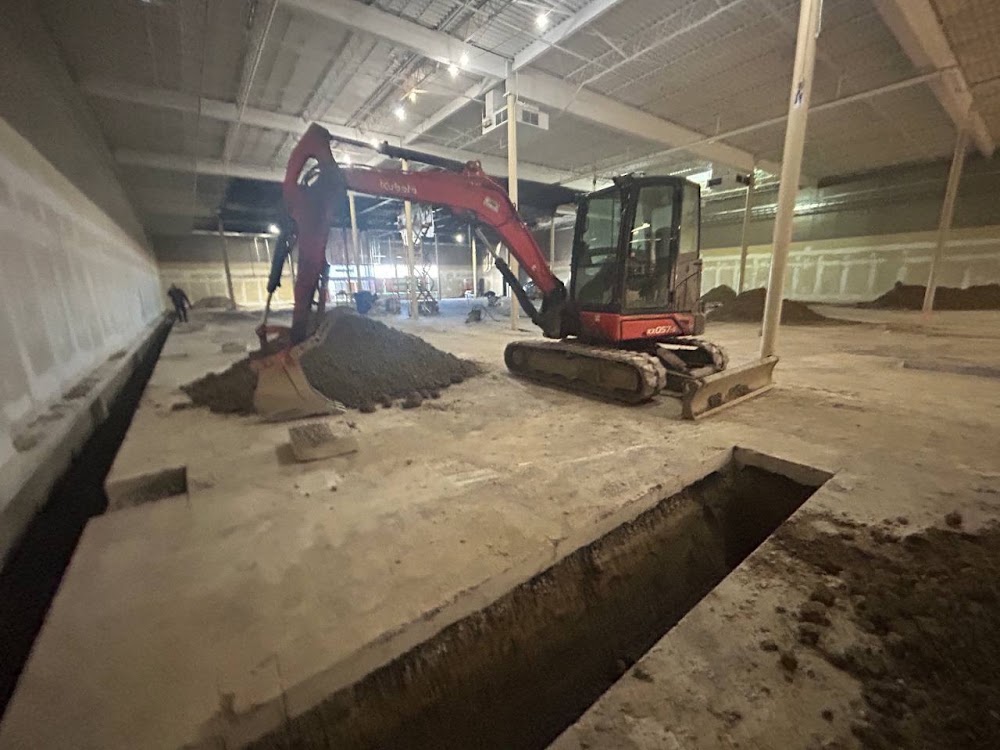
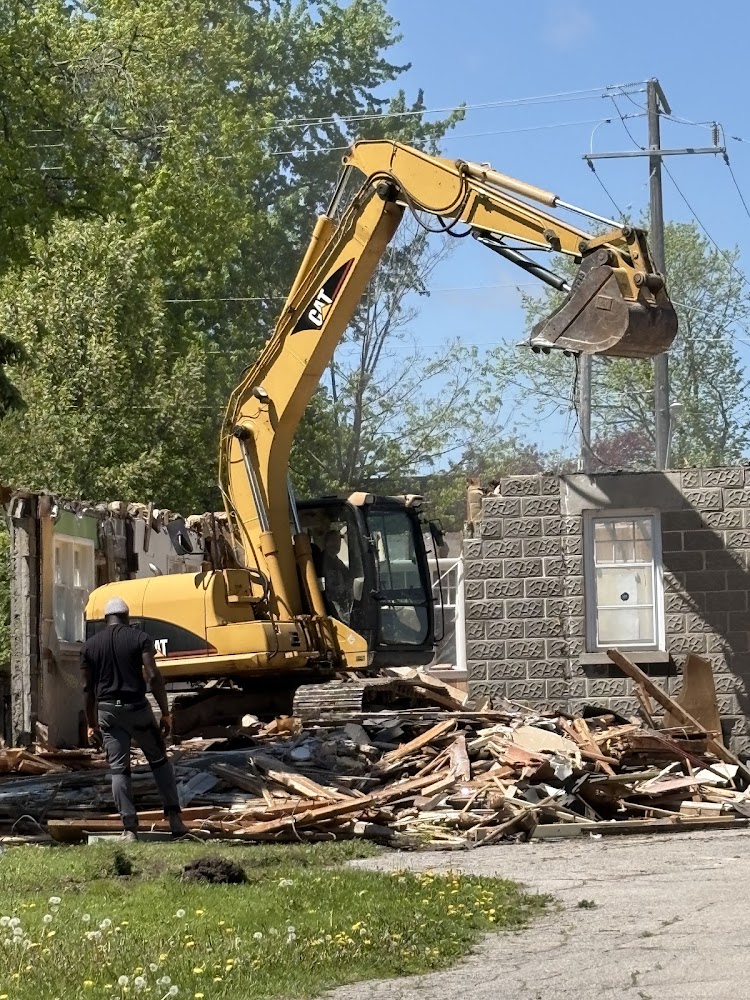
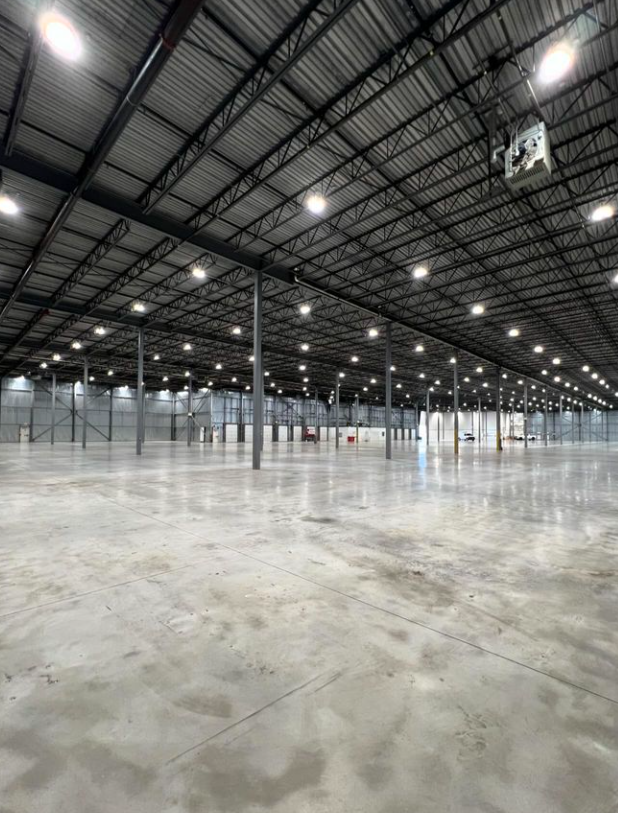
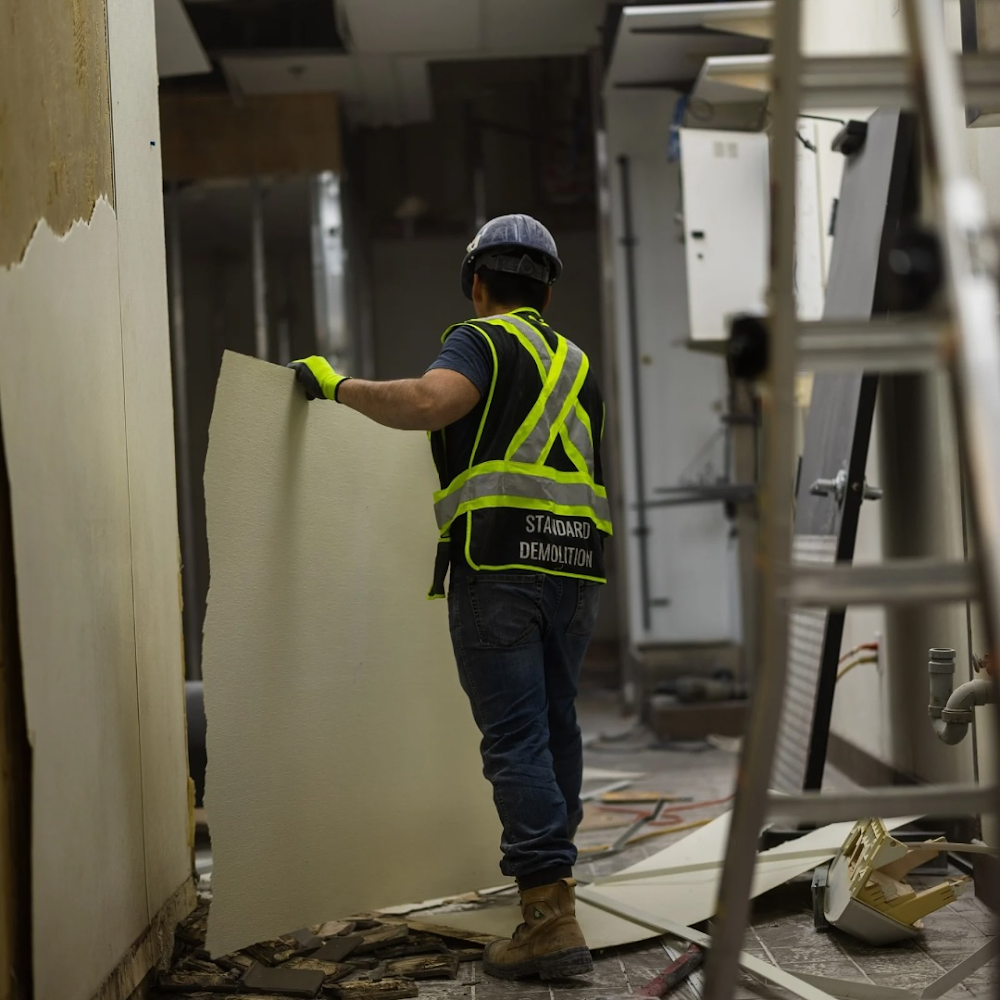
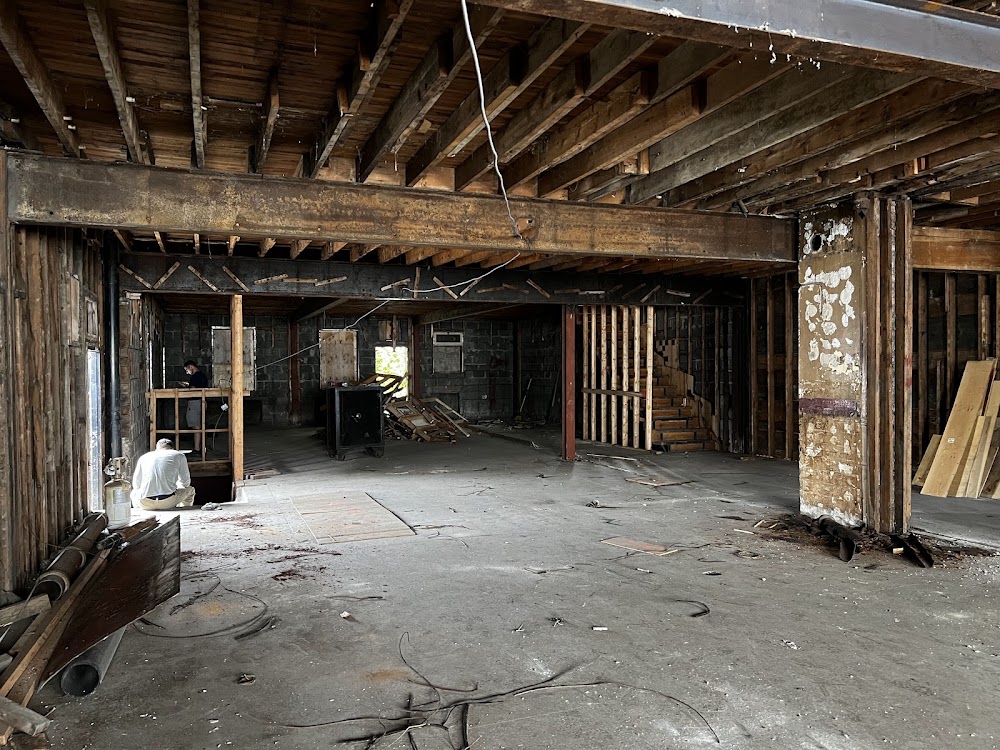
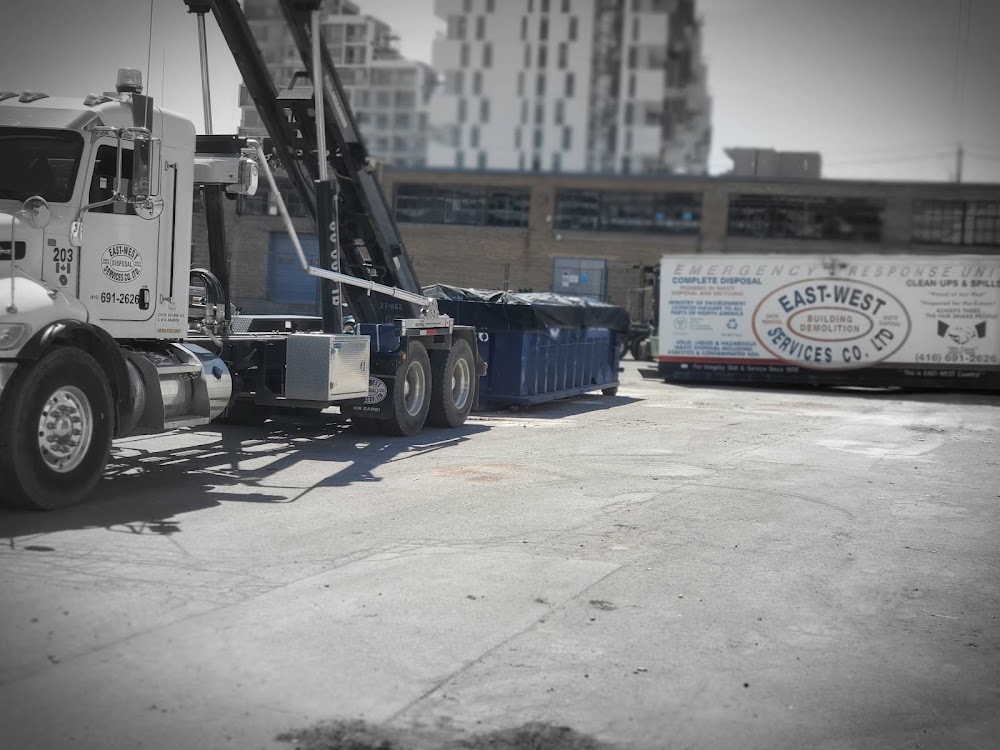
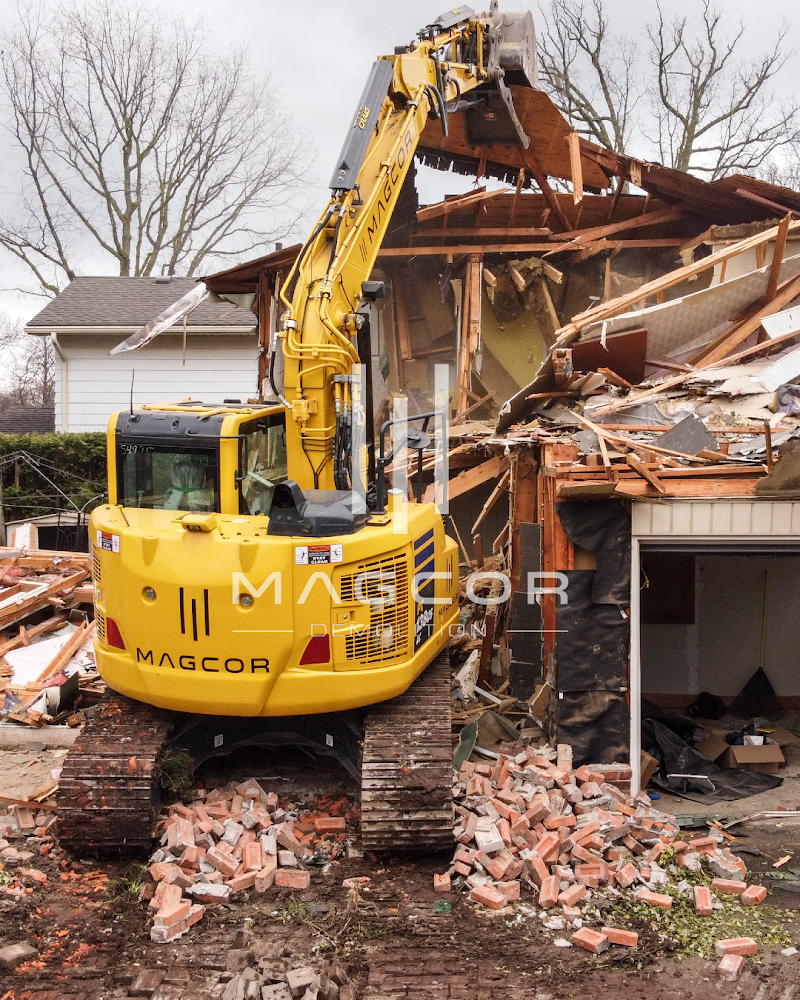
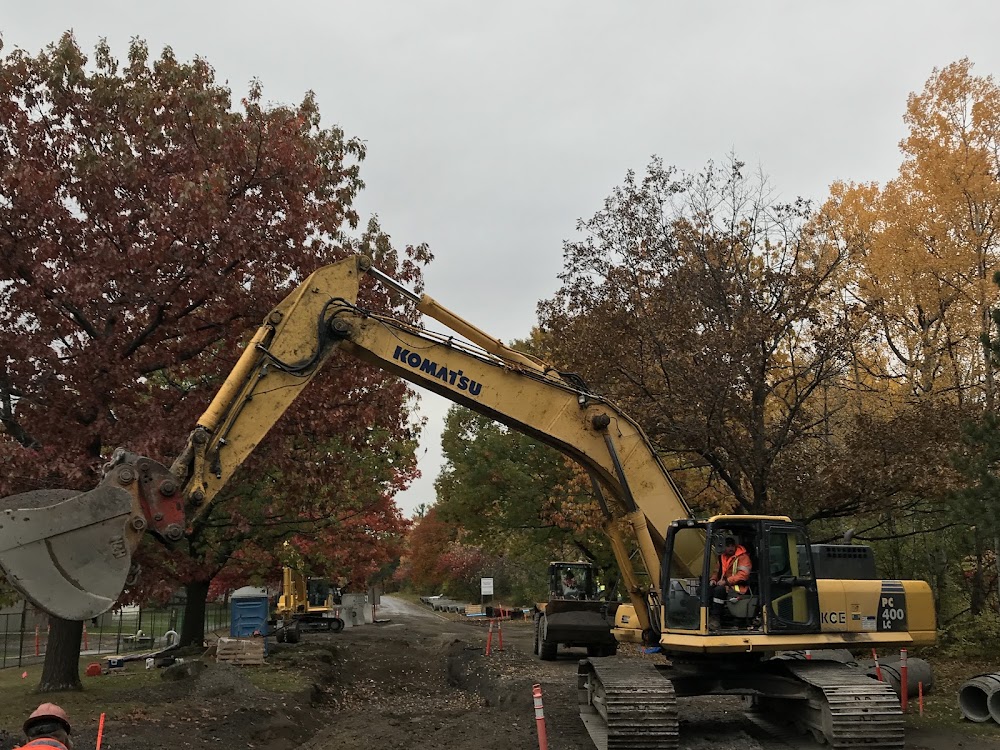
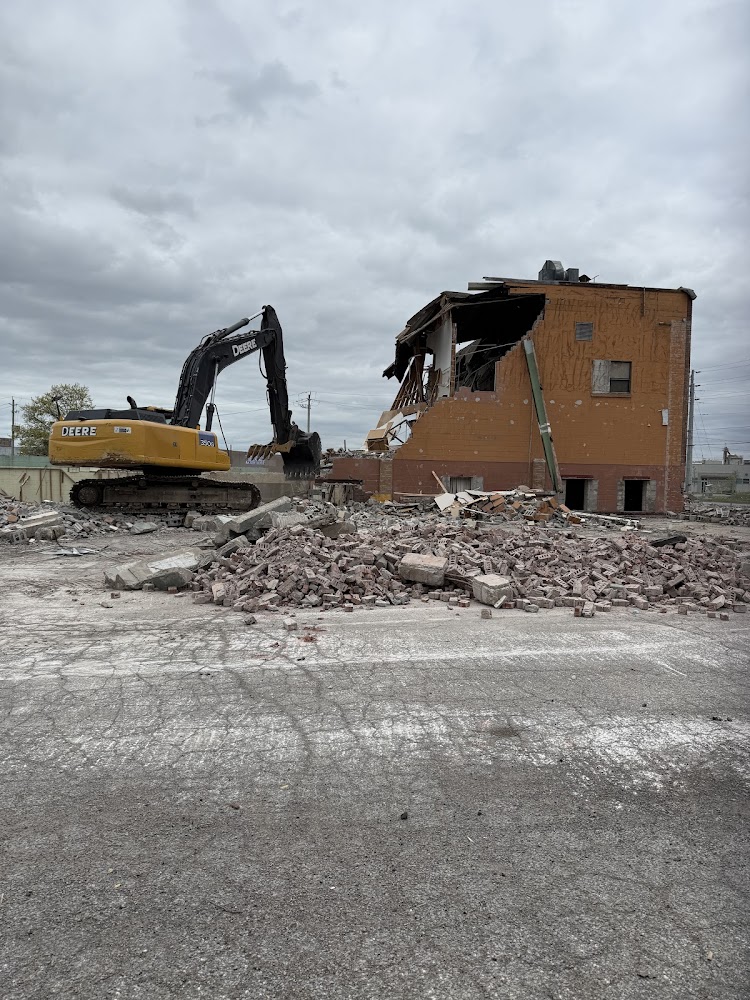
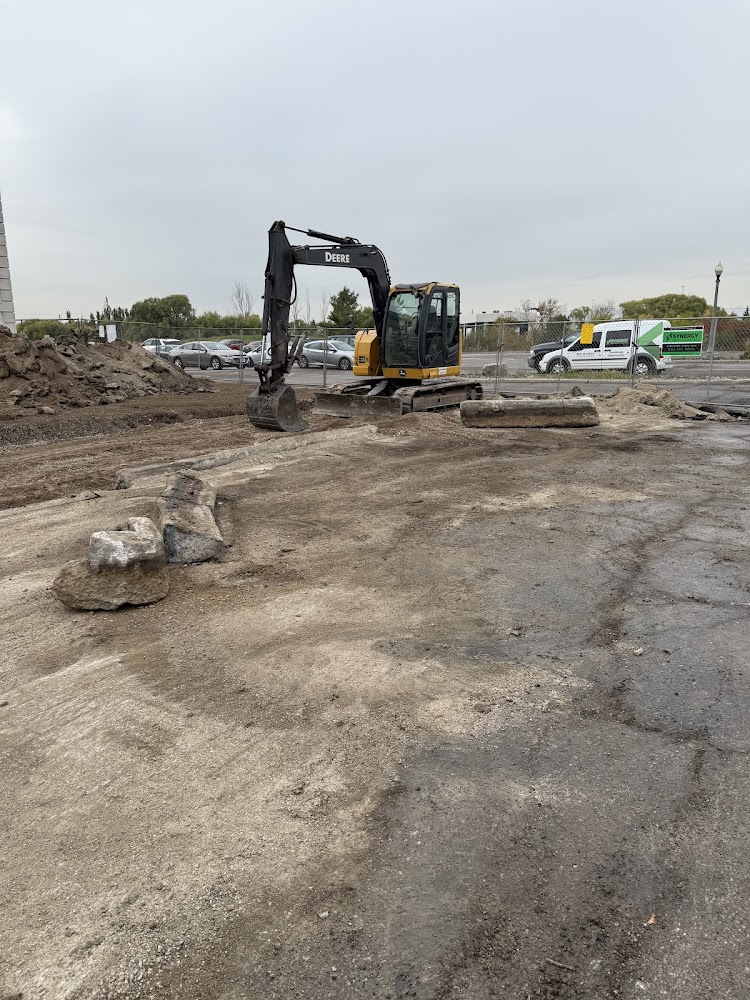
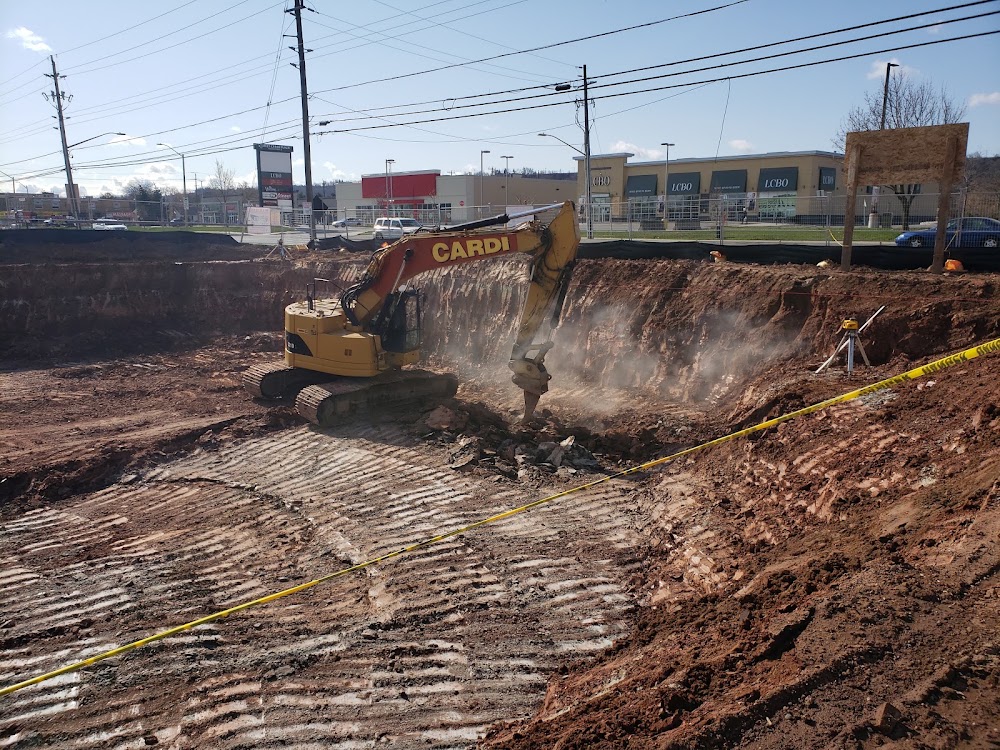
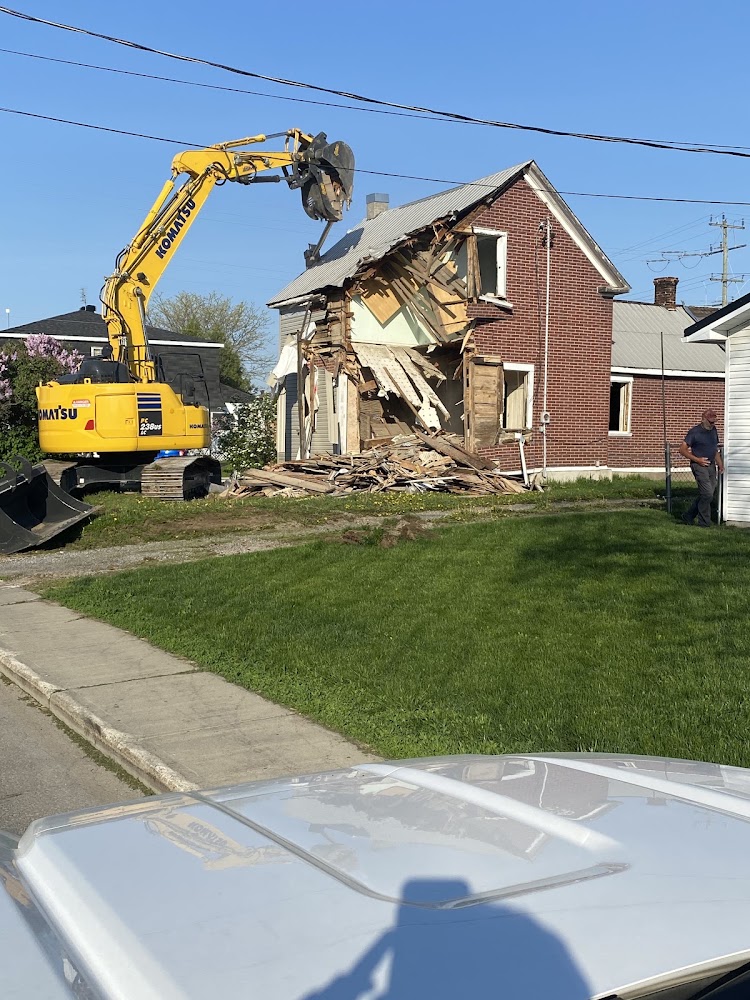
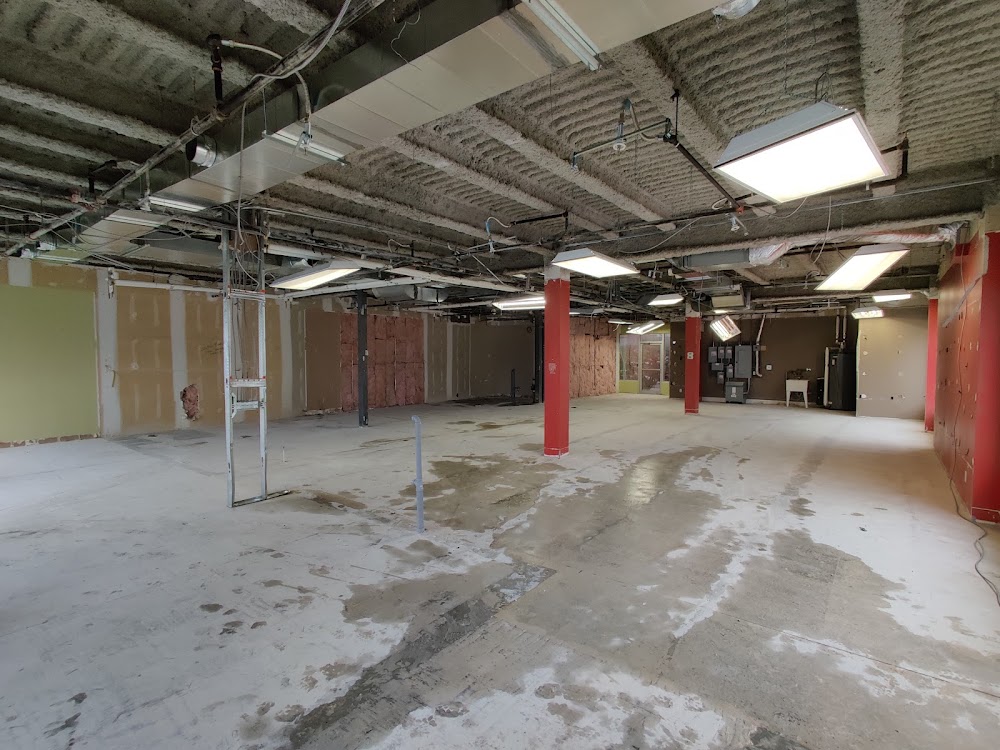
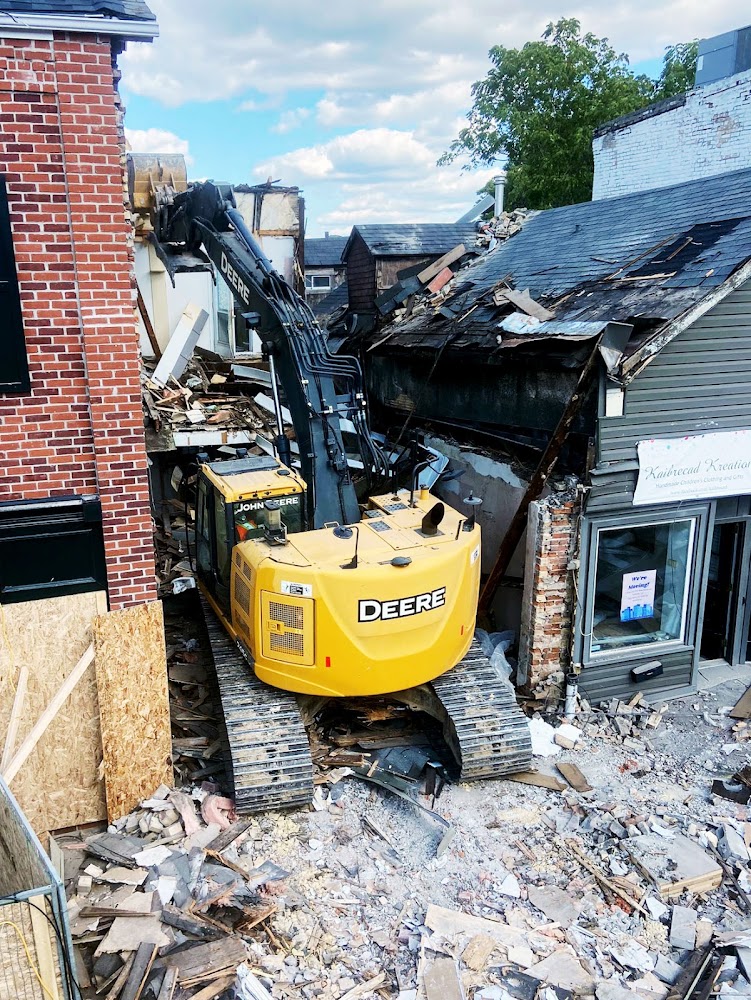
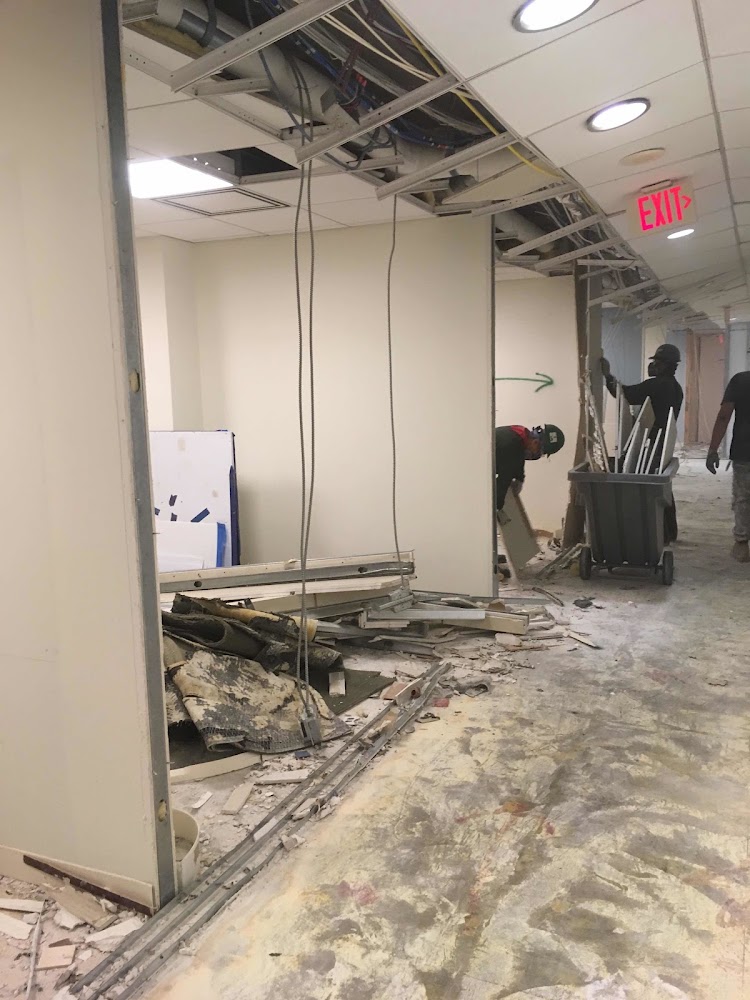
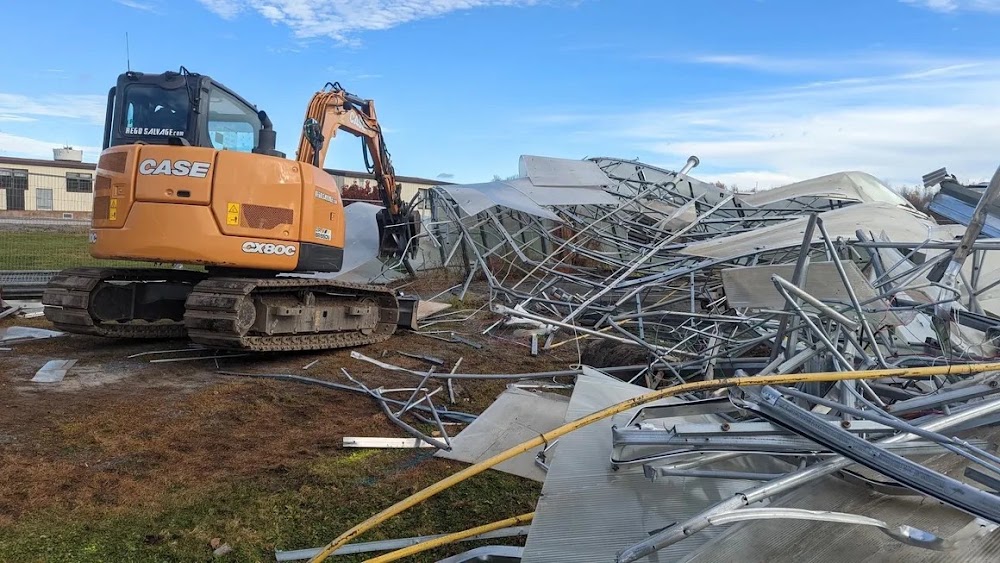
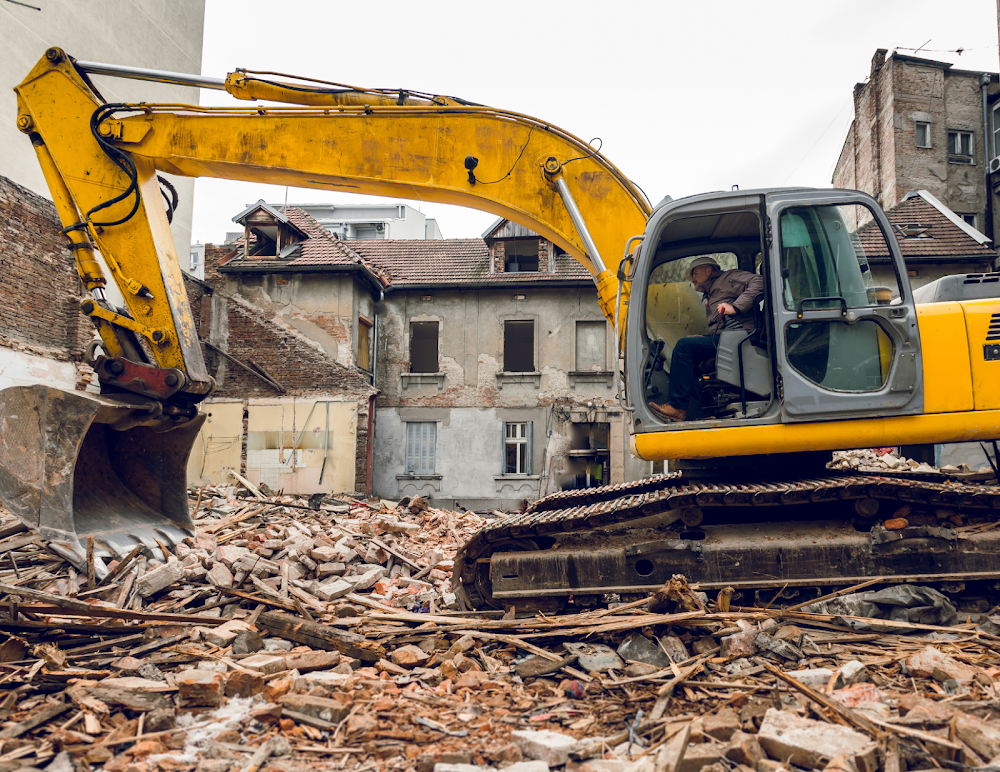
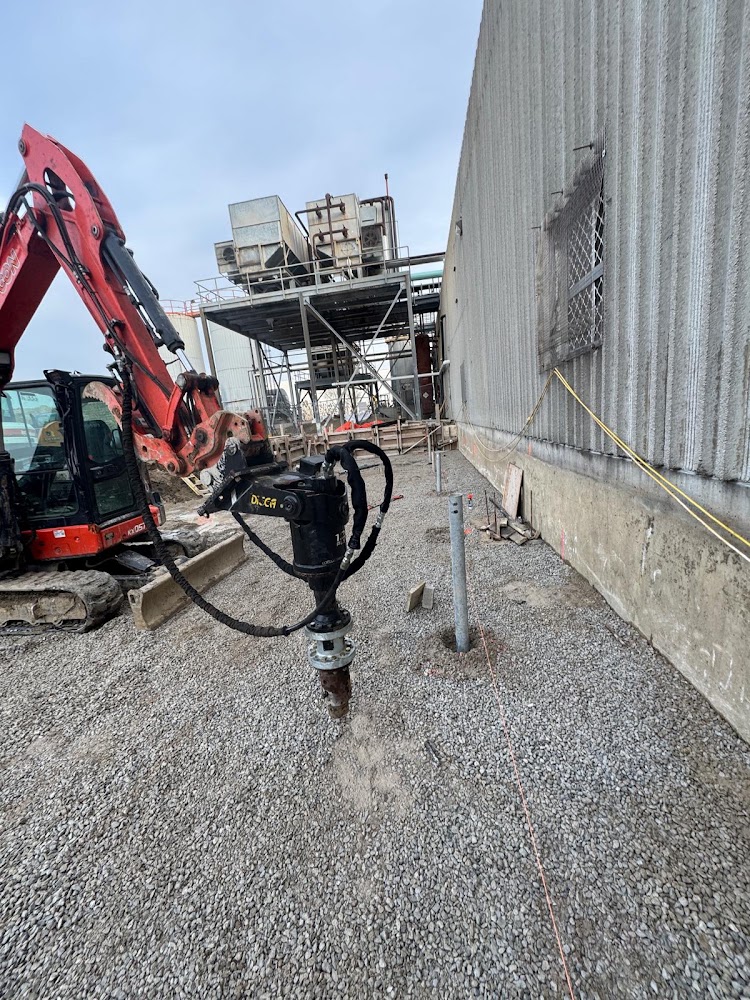
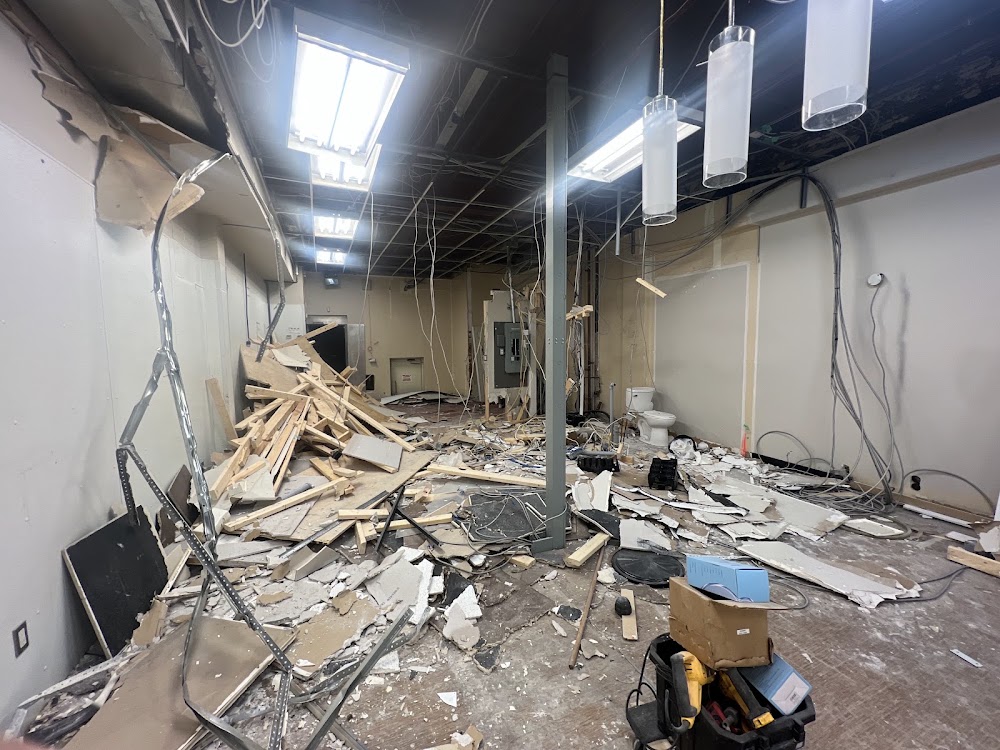
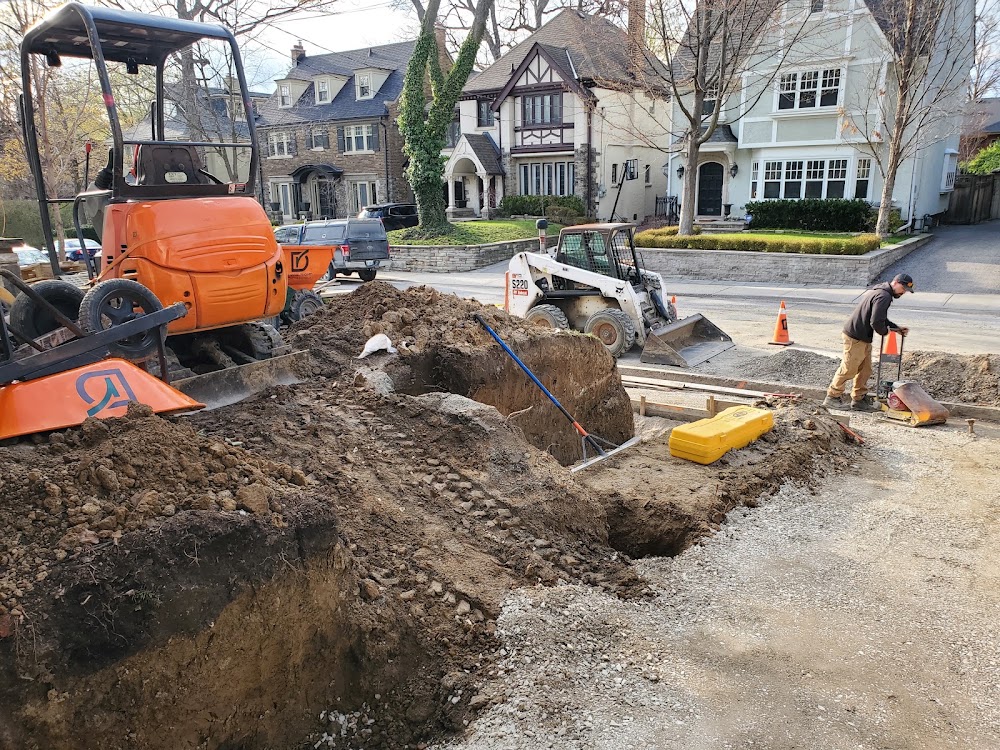
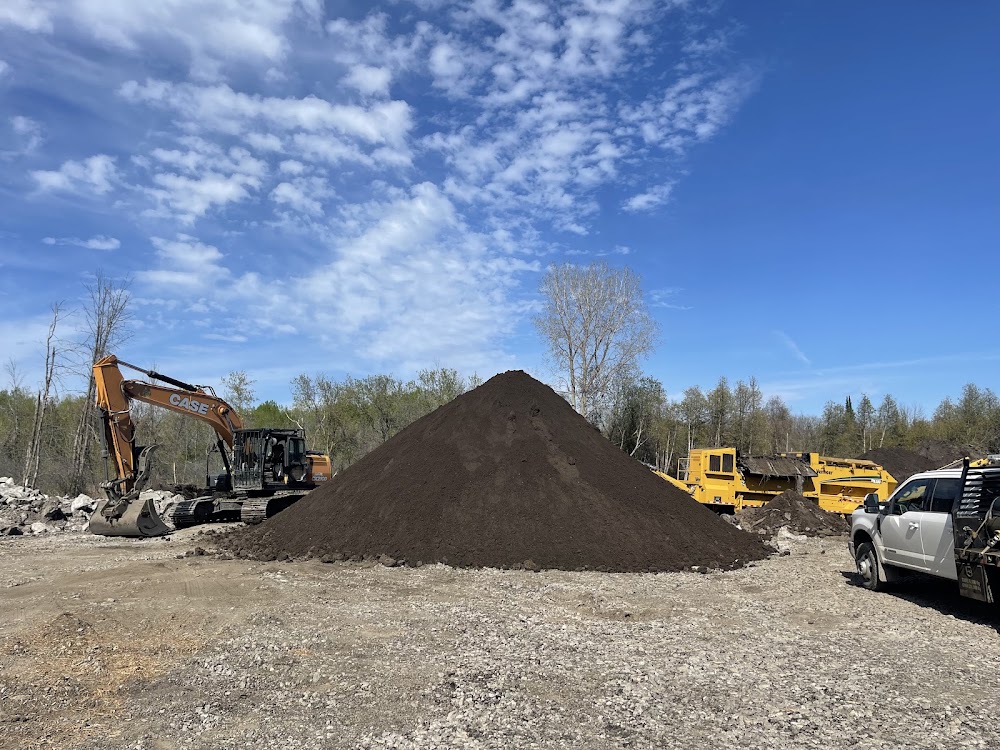
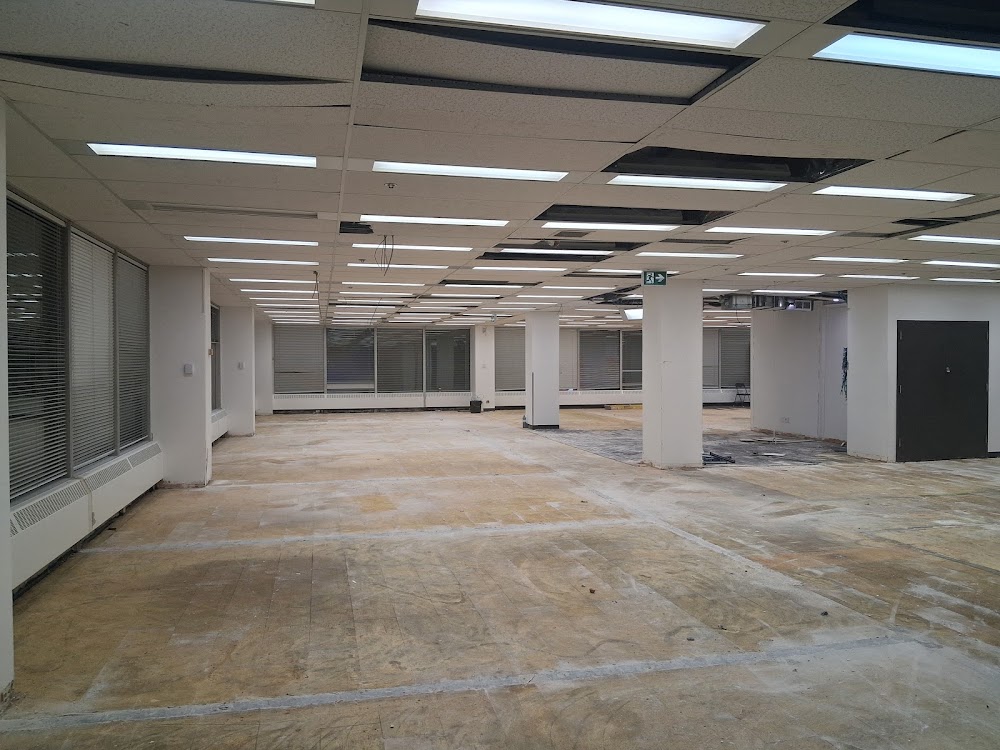
Commercial and industrial demolition covers a different scope than tearing down a house. Think warehouse and plant decommissioning, big-box store teardowns, shopping plaza strip-outs, silo and tank removal, structural steel dismantling, and site clearing ahead of a new build. The work usually involves heavier equipment (excavators with shears and pulverizers, high-reach machines for taller structures), more complex permitting, and coordination with engineers when a partial demolition has to leave adjacent structures standing. We track 107 businesses in Ontario that do this kind of work, ranging from small crews that handle interior strip-outs and soft demolition to larger outfits equipped for full-scale industrial takedowns.
What to look for before you hire
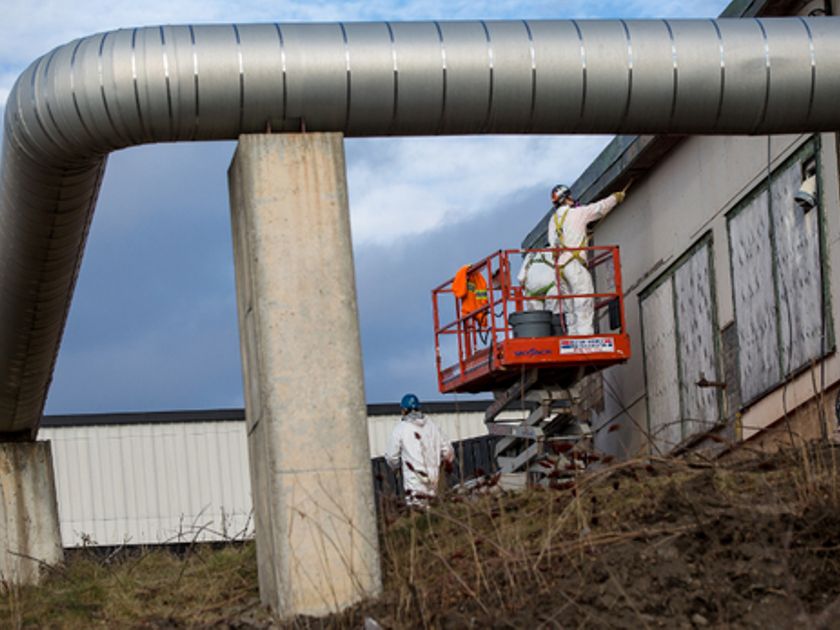
Ask about their experience with buildings similar in size and construction to yours, since a tilt-up concrete warehouse and a steel-frame plant demolish very differently. Check that they carry the insurance limits a commercial job requires, that they have a documented plan for hazardous materials (asbestos, PCBs, contaminated soil), and that they handle permitting and utility disconnects rather than leaving that to you. Ask how they price the job (lump sum vs. time and materials), what happens with salvage and scrap metal value, and who is responsible for site restoration once the structure is down.
How our scoring works
Our ranked guide at the best demolition contractors in Ontario scores contractors on factors like verified licensing and insurance, safety record, equipment fleet, responsiveness, and how they handle documentation like demolition permits and disposal manifests. The full scoring breakdown is explained on our methodology page, so you can see exactly how a contractor earned its ranking before you pick up the phone.
Find commercial & industrial demolition for your project
Free, no obligation. Describe your demolition job and we'll connect you with suitable contractors.
All commercial & industrial demolition, ranked by score and relevance
We found 197 businesses offering commercial & industrial demolition; 196 met the criteria for the scored directory. The order weighs each business's overall score by how much of its reviewed work is commercial & industrial demolition, so a lower-scored specialist can rank above a higher-scored generalist. Filter and sort below, or open the full map view.
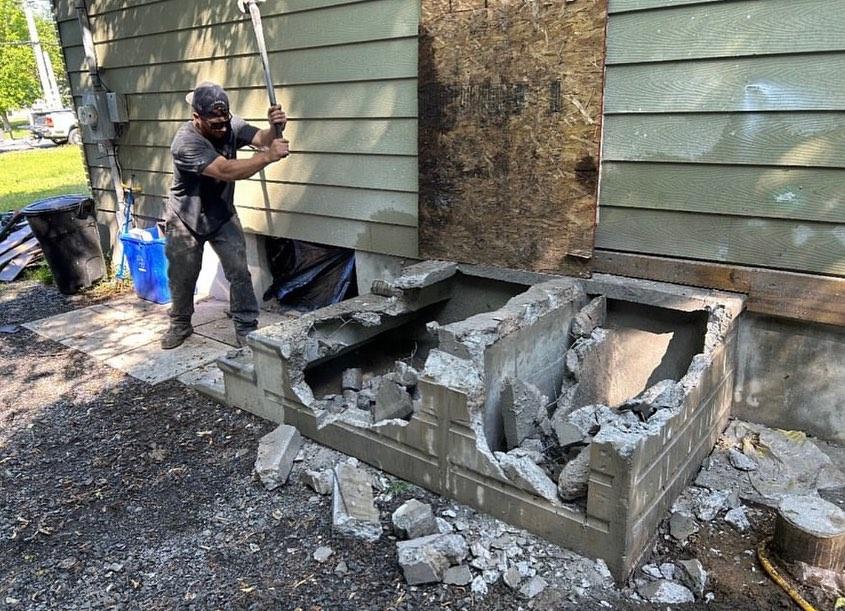
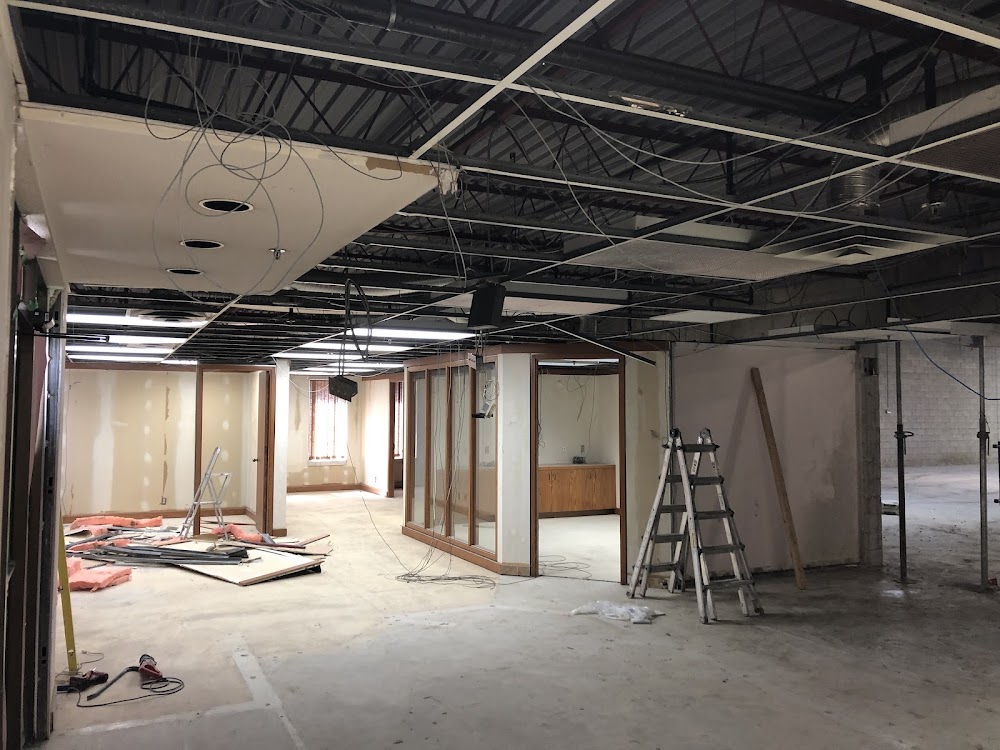
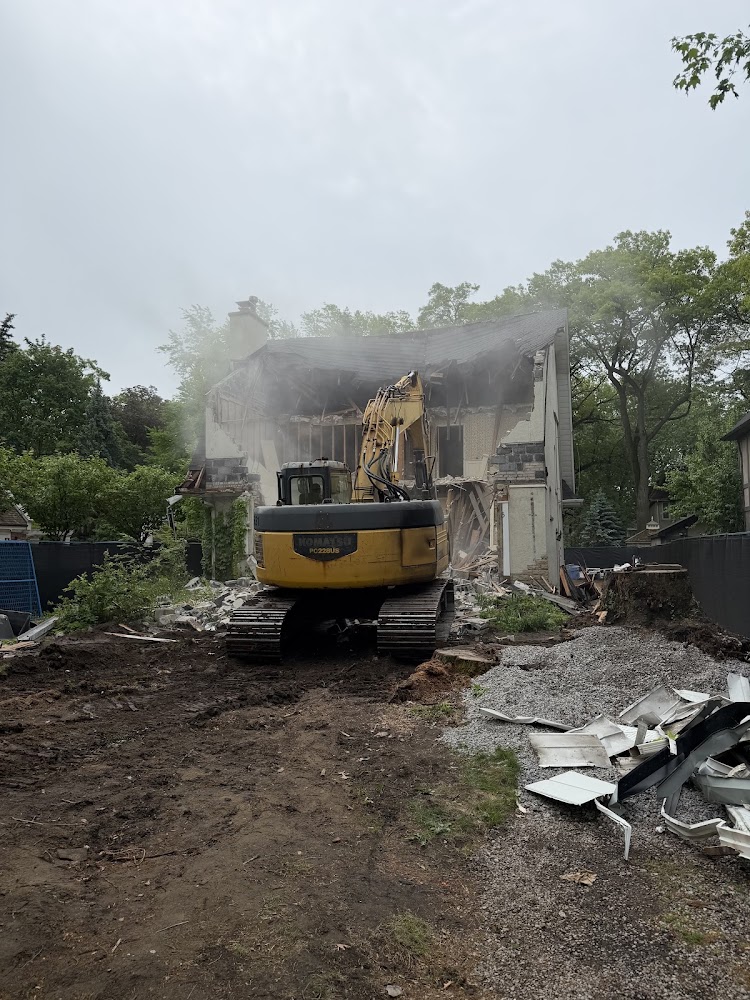
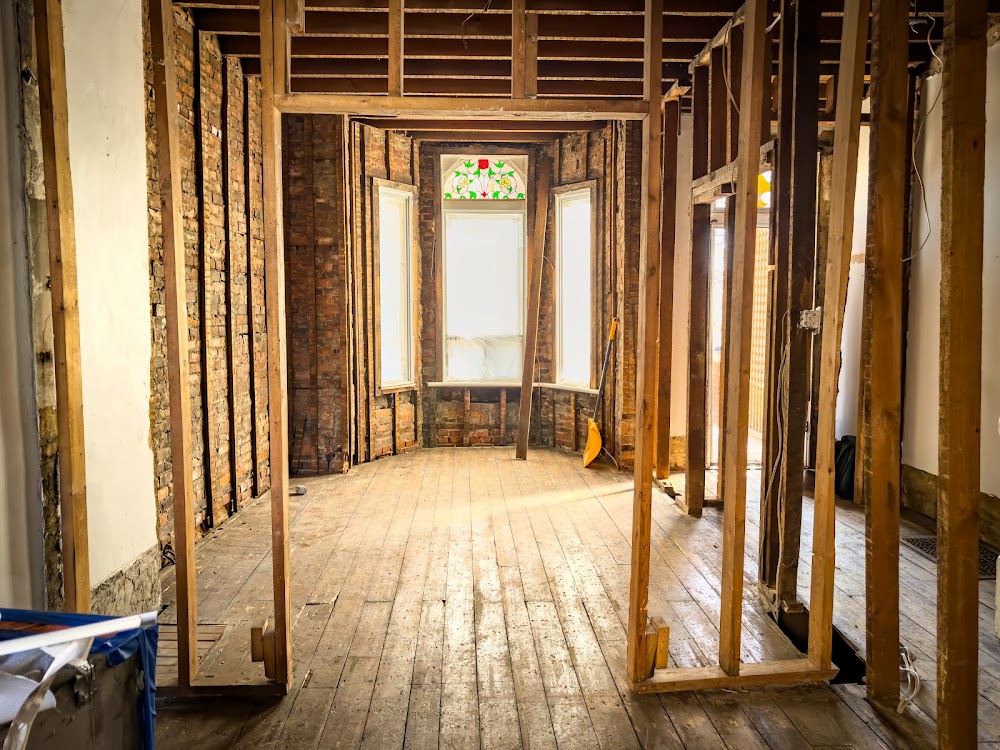
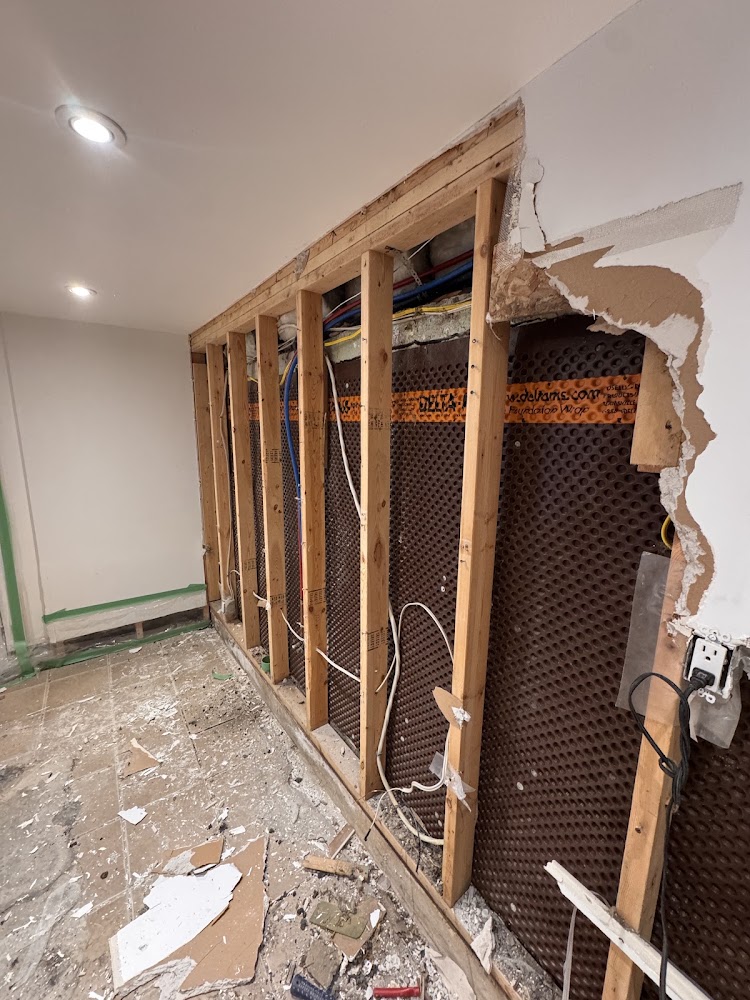
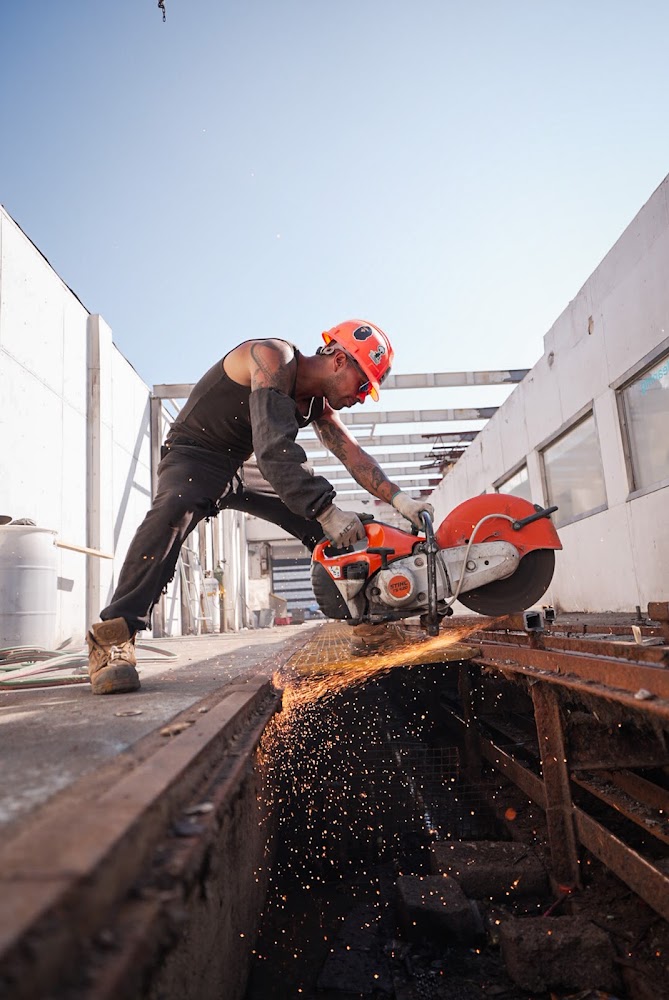
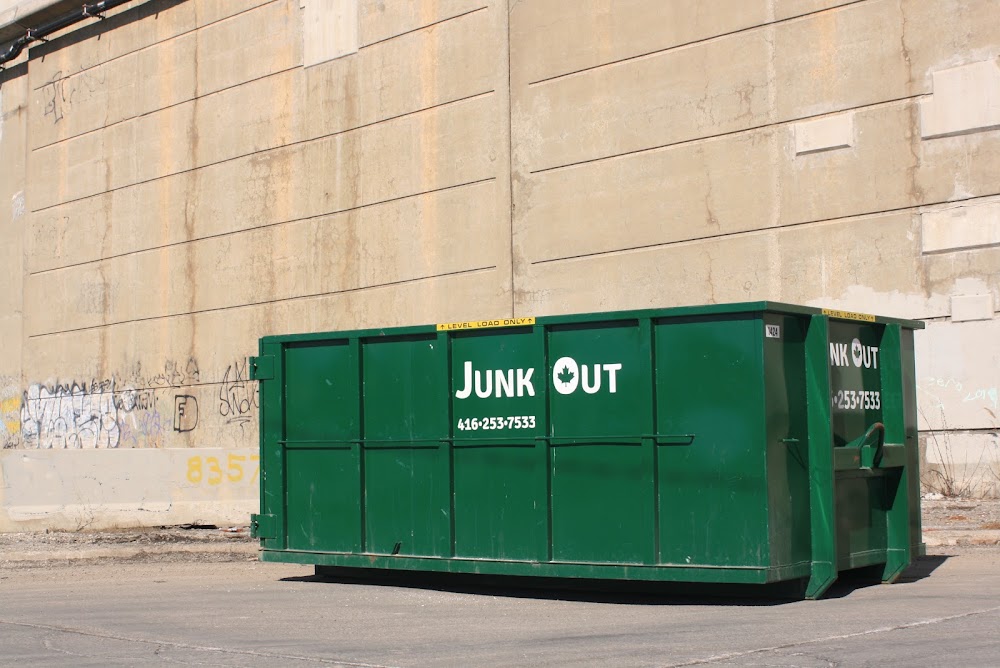
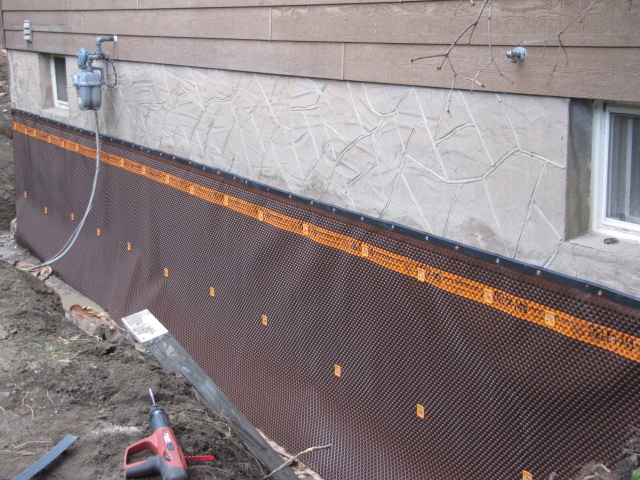
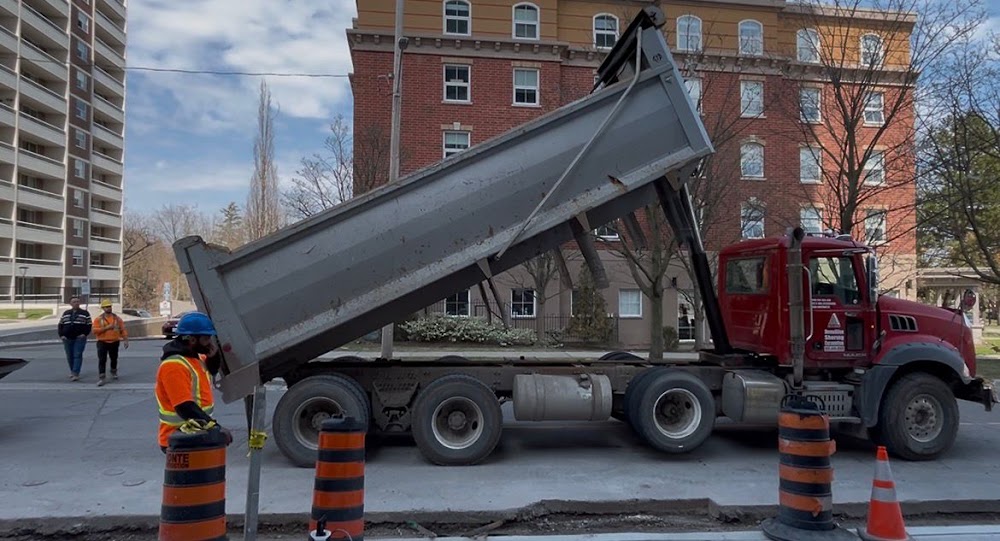
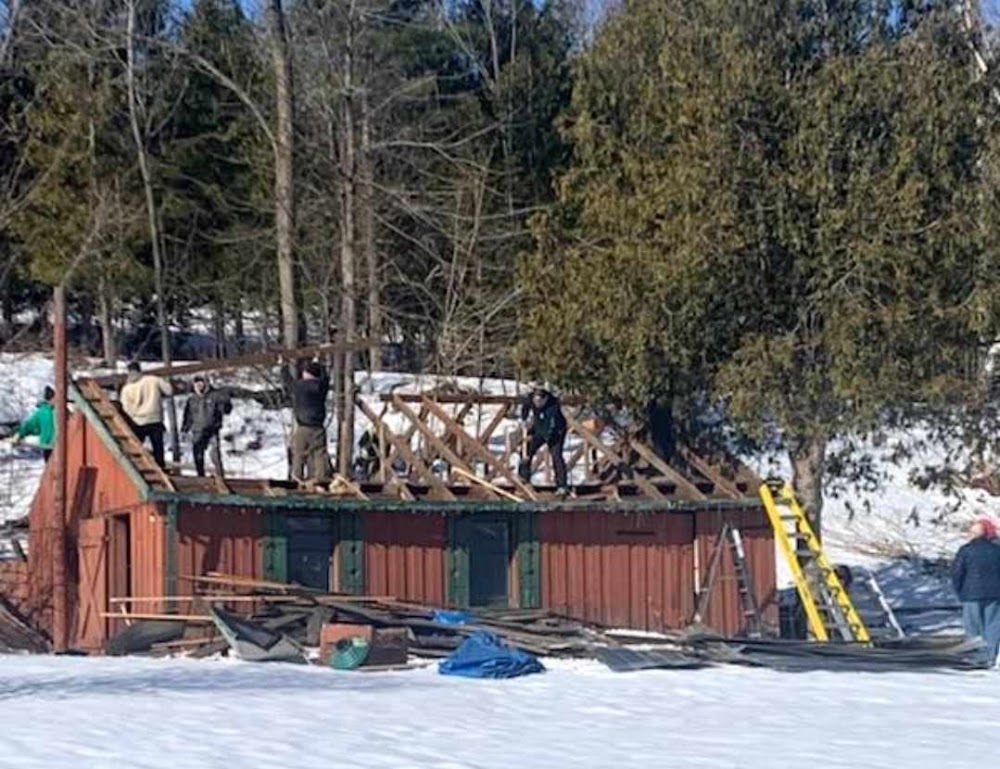
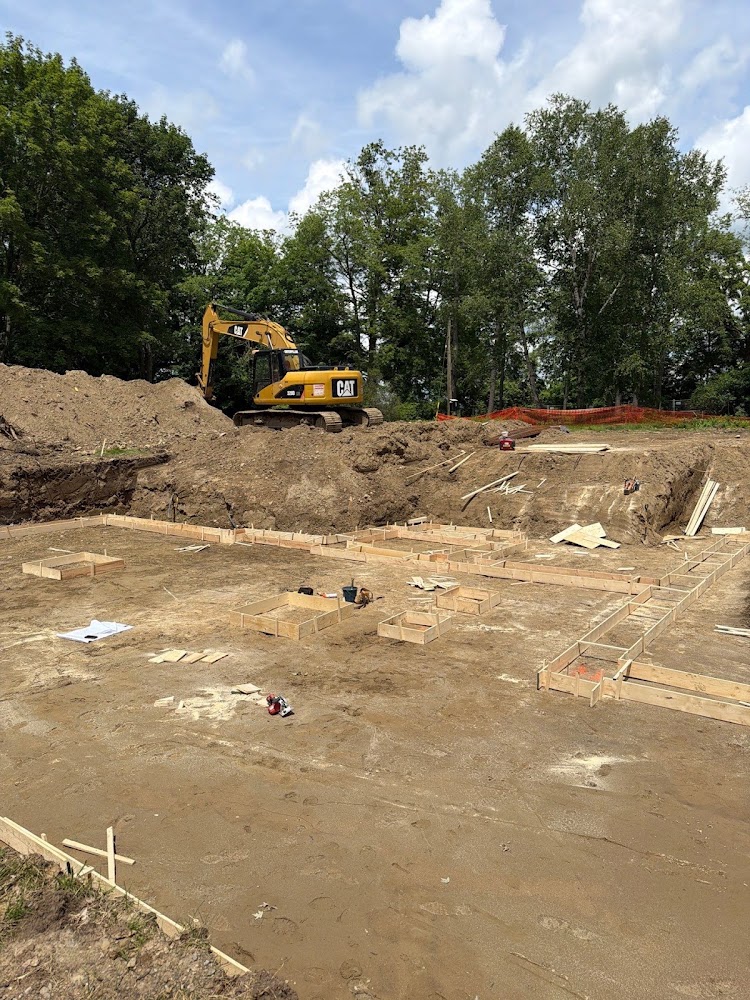
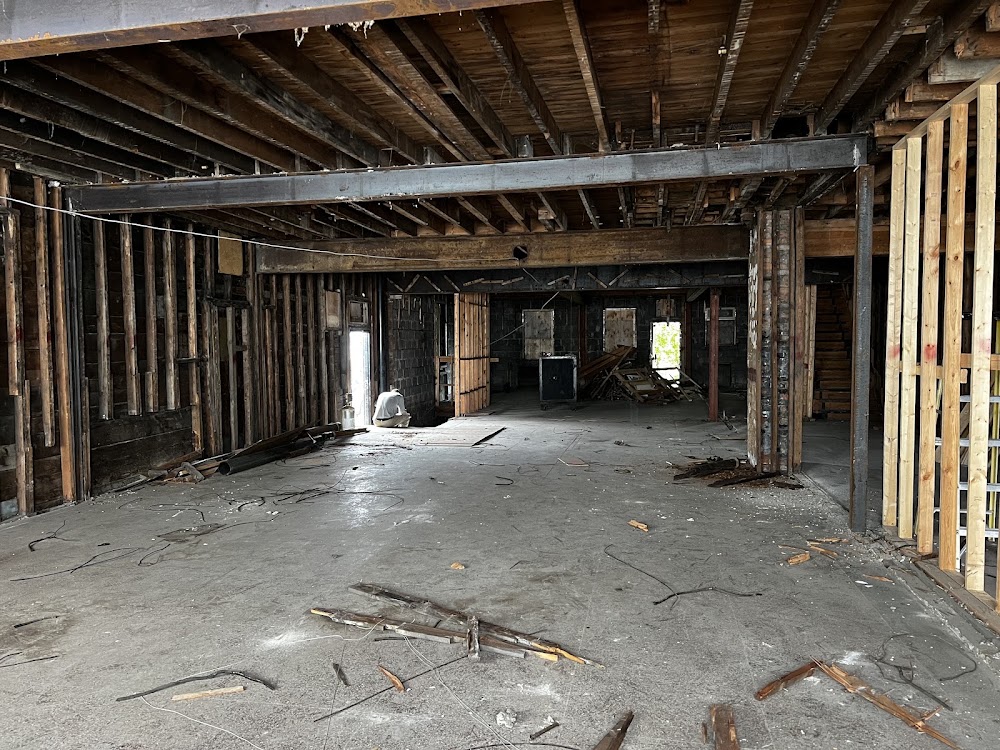


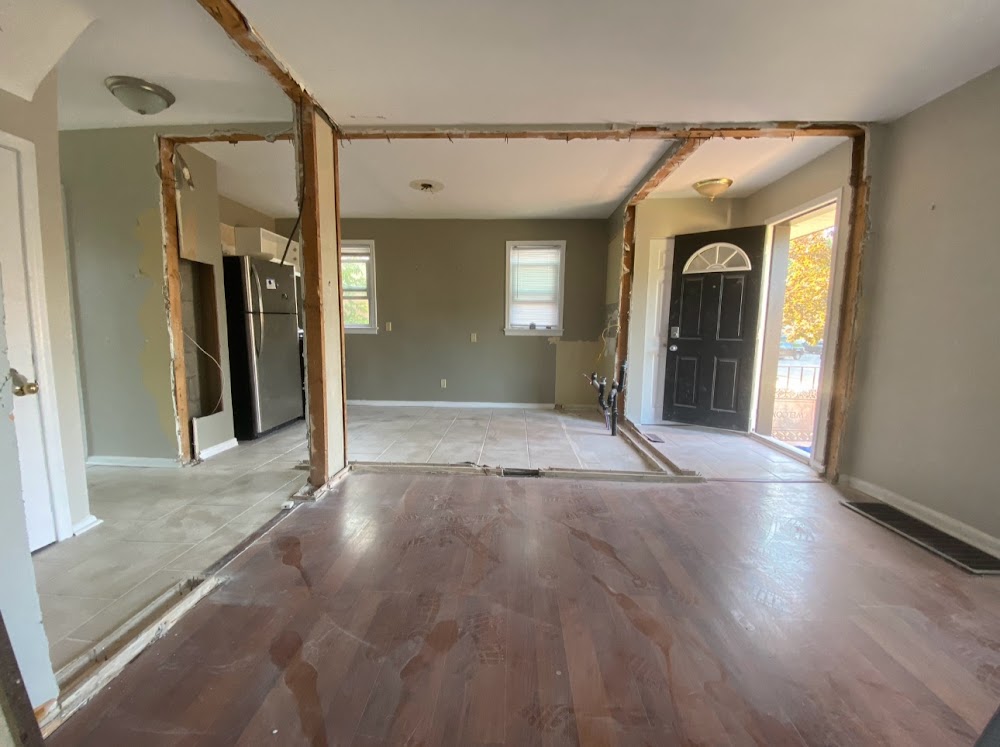
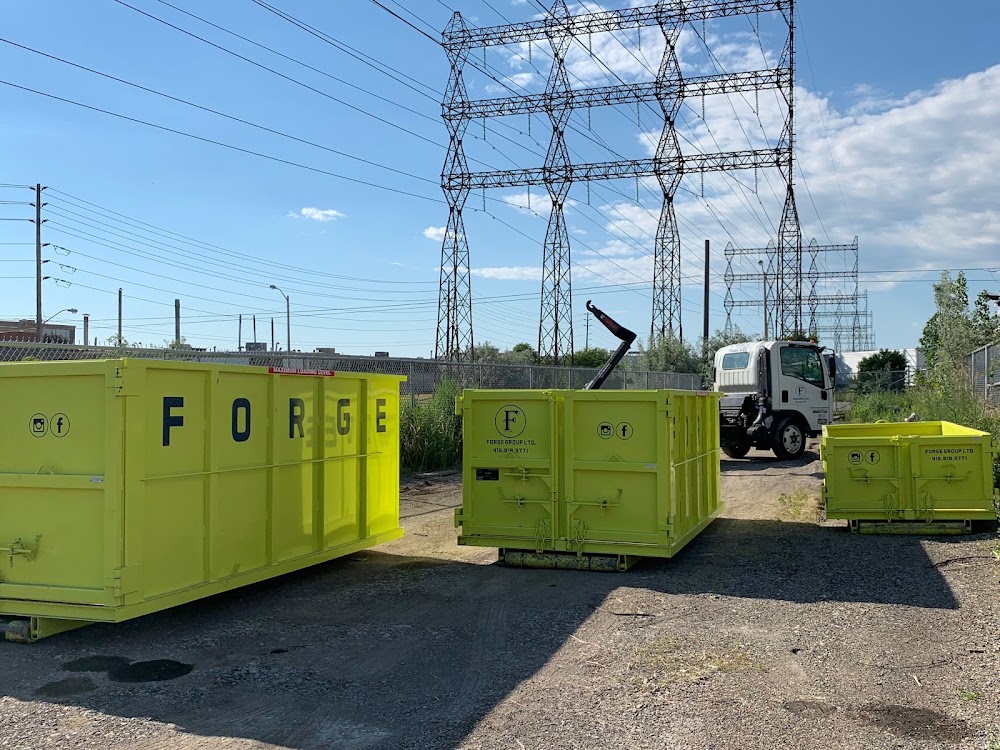
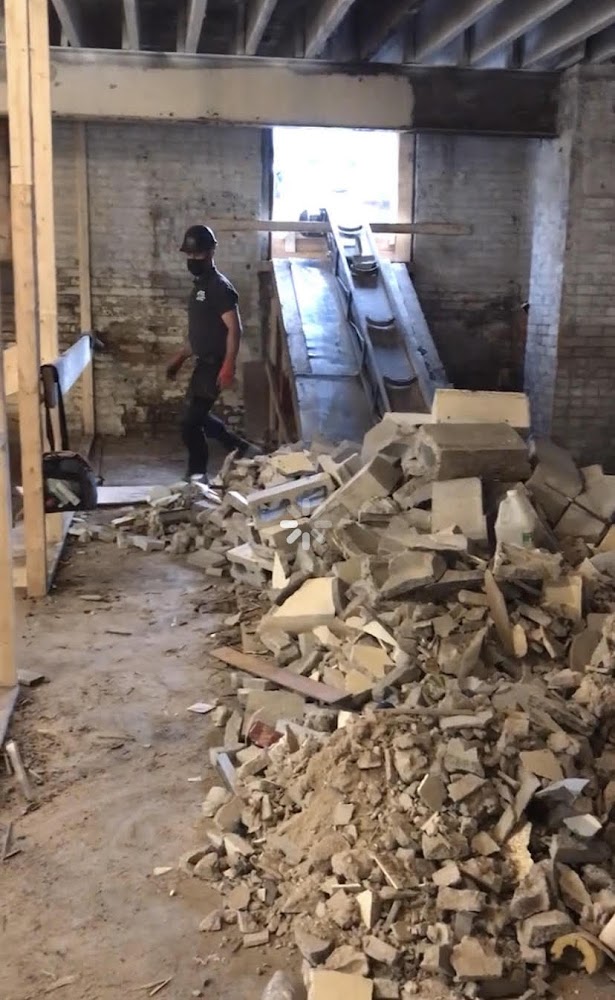
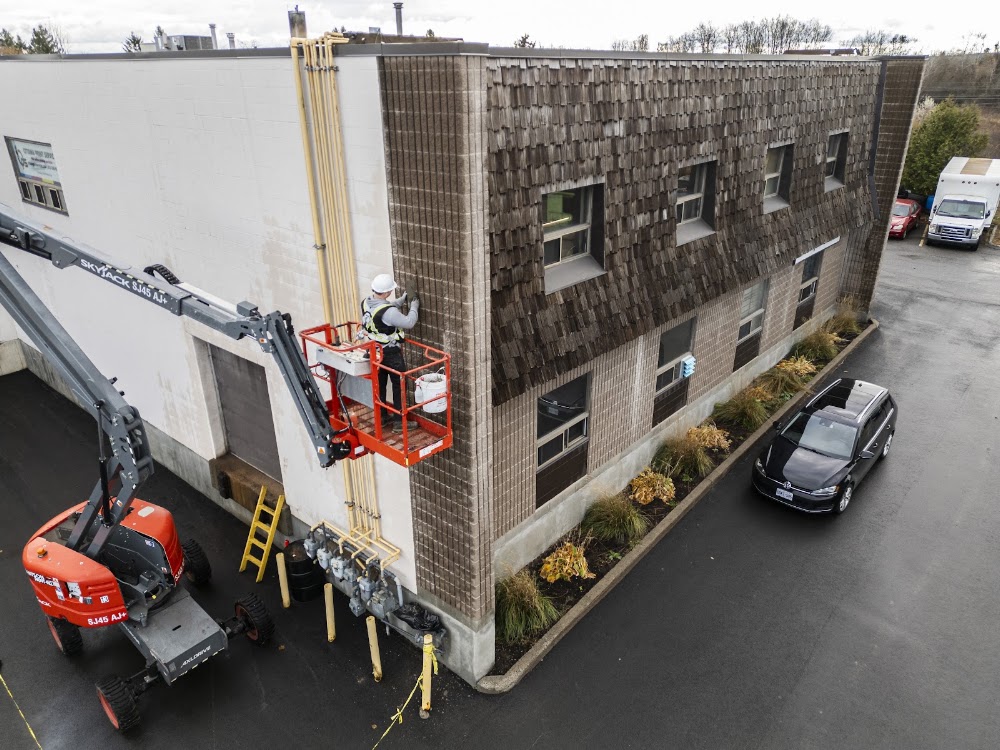
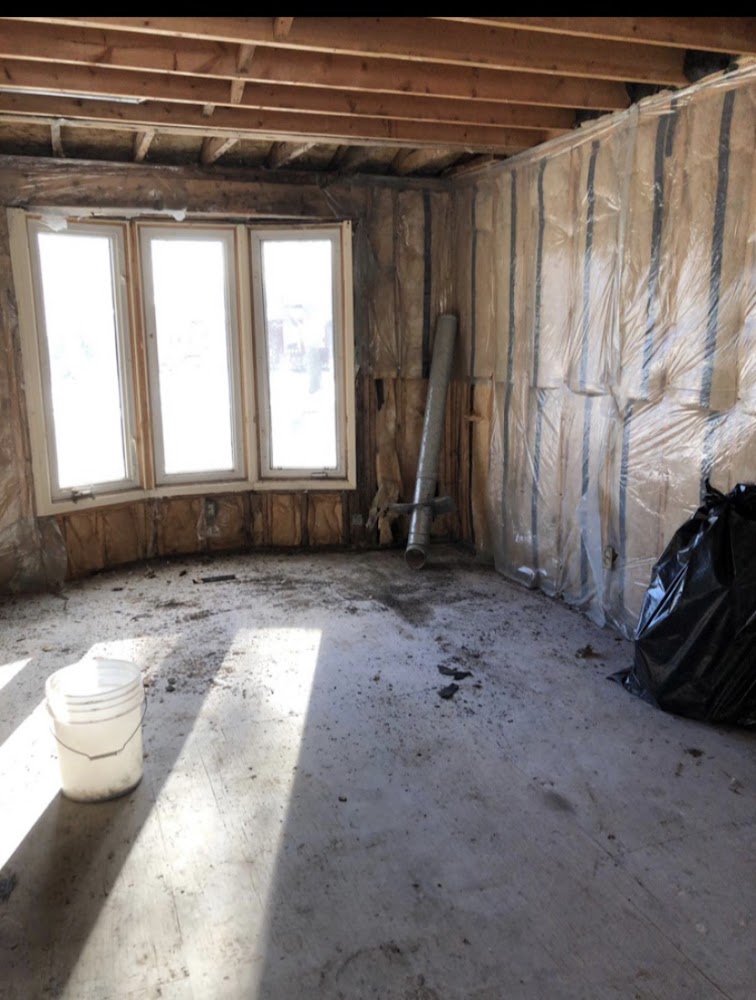
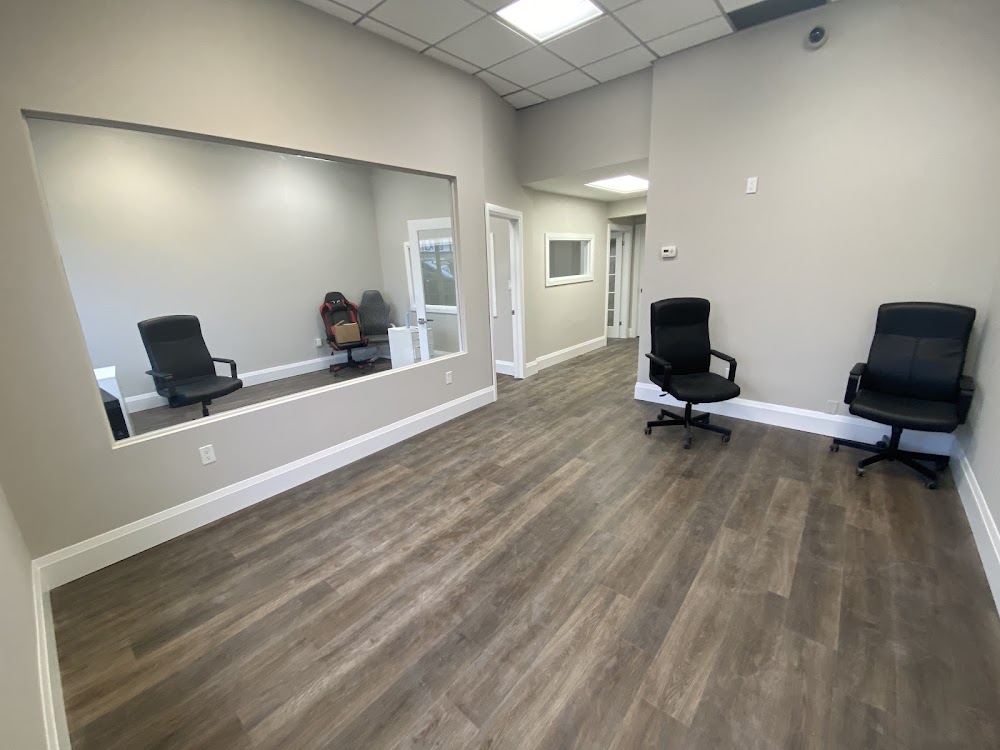
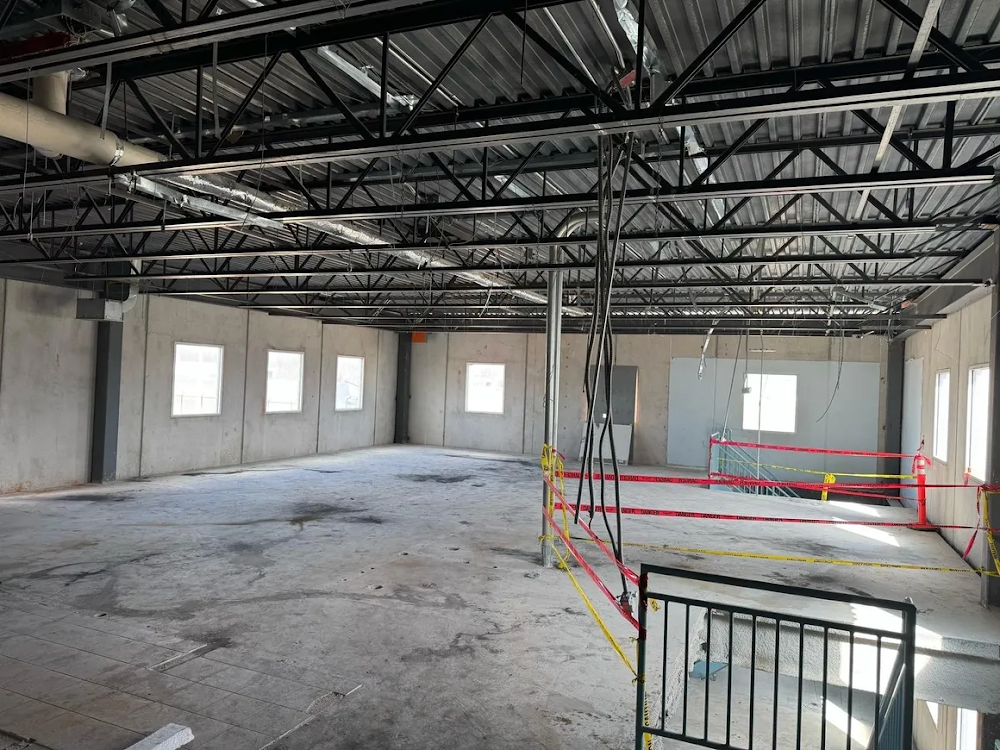

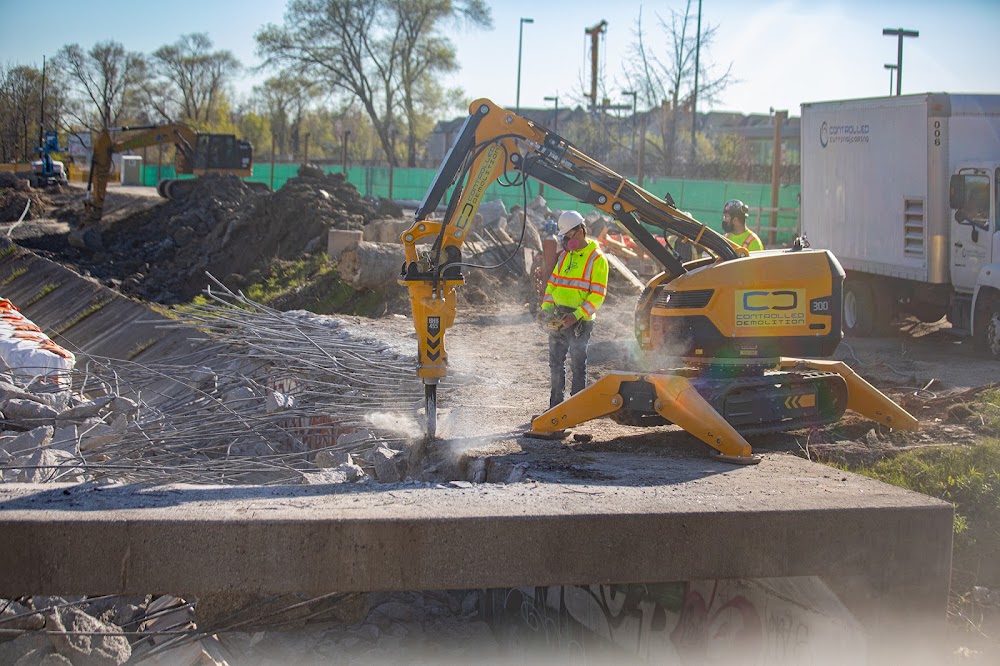
When you submit a quote or contact form, we may share your enquiry with partner providers to carry out the work, and we may receive a referral fee. Our rankings and scores come from our published scoring method only and are never affected by referral fees.
Common questions about commercial & industrial demolition
- How much does commercial demolition cost in Ontario?
- It varies widely by structure size, materials, and site access, but most contractors price commercial jobs per square foot or as a lump sum after a site walk-through. Steel-frame buildings with easy access tend to cost less per square foot than concrete structures or sites with tight access, hazardous material abatement, or utility disconnection needs. Get quotes from at least two or three contractors, since pricing methods differ enough that a single number without context is not useful.
- How long does a commercial demolition project take?
- A straightforward warehouse or retail building teardown can take one to a few weeks once permits and utility disconnects are sorted. Larger industrial sites, or jobs requiring asbestos abatement before the structure comes down, can run several weeks to months. Permitting and environmental assessments often take longer than the physical demolition itself.
- What permits are needed for commercial demolition in Ontario?
- Most municipalities require a demolition permit, and larger or older buildings usually need a hazardous materials survey (asbestos, designated substances) before that permit is issued. Utility companies also need to confirm gas, hydro, and water disconnects before work starts. A contractor experienced in commercial work should manage this process rather than leaving it to the property owner.
- How do I judge the quality of a demolition contractor?
- Look past the quote and check for proper licensing, adequate insurance coverage for the job size, a clear safety record, and references from similar commercial or industrial projects. A contractor who asks detailed questions about the structure, site access, and what is underground or overhead before quoting is usually more reliable than one who gives a price over the phone with no site visit.
Guides to choosing commercial & industrial demolition
- Demolition for small businesses and property managers: what changes
How commercial demolition differs from residential work in Ontario: tenant scheduling, permits, and what property managers should ask before hiring.