Demolishing a house before you sell or rebuild: what to plan for
By Sofia Vogel · Updated 2026-08-10
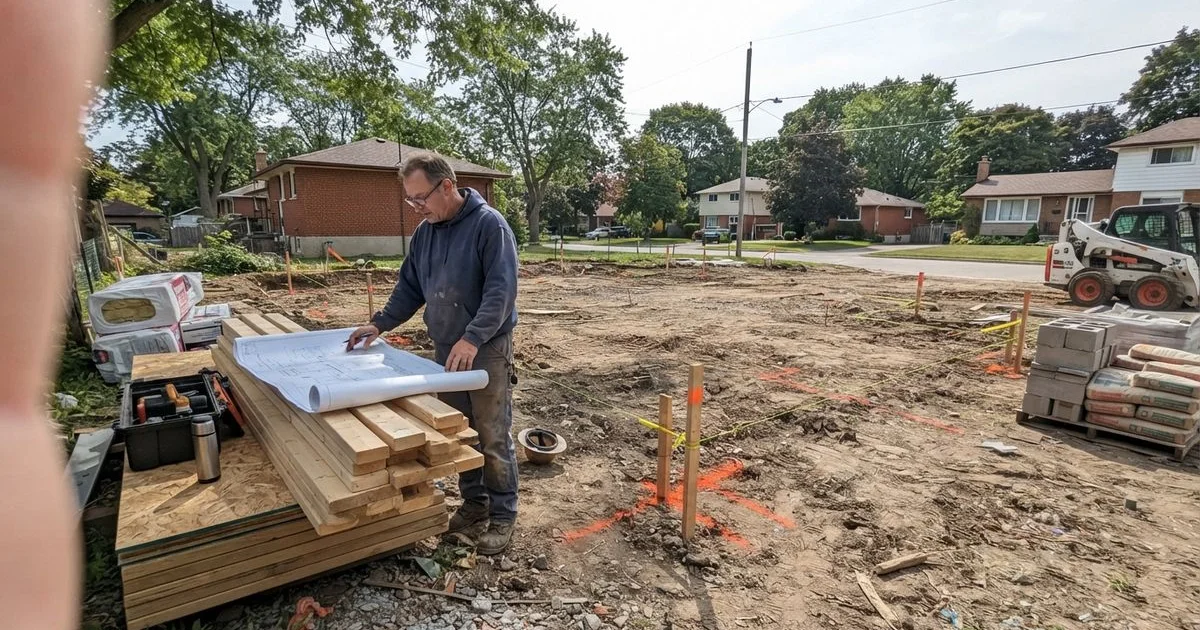
Tearing down a house is rarely just about the demolition itself. Whether you’re clearing a lot to sell as land, or planning a new build on a property you already own, the decision touches timing, cost, and sometimes the sale strategy itself. The Ontario Excavation & Demolition Directory put this guide together to walk through what to think through before you book a demolition crew.
If you’re selling: land value vs house value
In neighbourhoods where buyers are actively looking to build new, an old or deteriorating house can be worth less than the land underneath it once demolition and disposal cost is factored in. In that scenario, some sellers demolish before listing to market the property as a clean, ready-to-build lot, which can attract a different pool of buyers and sometimes a faster sale.
In other neighbourhoods, the existing structure still holds real value, whether that’s a livable home, a renovation candidate, or simply a market where teardown-and-rebuild isn’t the norm. Demolishing there before listing can remove value rather than add it. This is a case where a local real estate opinion is worth getting before you commit to demolition, not after.
Timing demolition around a sale
Most sellers who do go the demolition route wait until after closing, for a straightforward reason: once you’ve sold, the cost and liability of demolition sit with the buyer, who’s presumably planning to build anyway. Demolishing before a sale is finalized means carrying that cost and risk without a guaranteed buyer, unless the sale contract specifically requires a cleared lot as a condition of closing.
If you’re the buyer purchasing a property specifically to demolish and rebuild, get your permit and demolition timeline started as early as your purchase agreement allows, since the permit process alone can take several weeks.
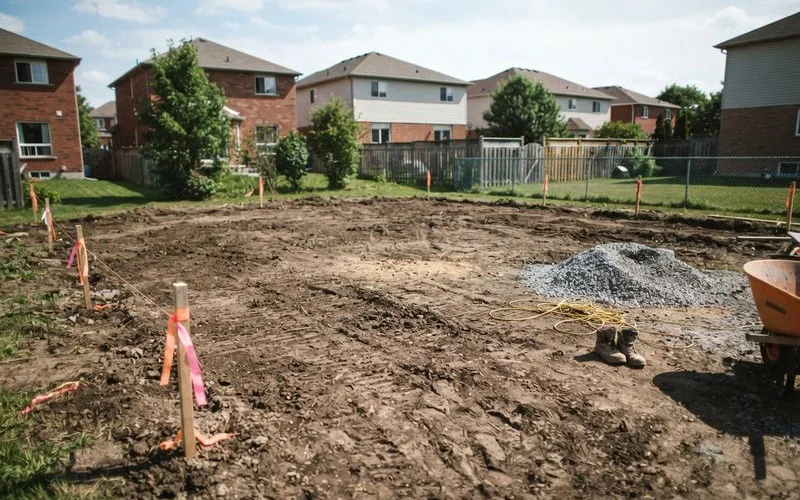
Planning the sequence for a rebuild
- Confirm the new build’s site plan first. Knowing exactly where the new structure will sit helps determine whether the existing foundation can be reused or needs to be fully removed.
- Get the Designated Substances Survey done early, especially for anything built before the early 1990s, so abatement doesn’t become a surprise delay.
- Apply for the demolition permit as soon as the survey and site plan are ready. This is typically the longest lead time in the whole sequence.
- Schedule utility disconnection to coincide with, not lag behind, the permit approval.
- Book the demolition crew with a buffer, since permit timelines can slip and you don’t want a crew booked for a date the paperwork isn’t ready for.
The step-by-step house demolition process guide covers what each of these steps actually looks like once the crew is on site.
| Milestone | Typical lead time before teardown |
|---|---|
| Designated Substances Survey | 4-6 weeks before |
| Demolition permit application | 3-5 weeks before |
| Utility disconnection scheduled | 1-3 weeks before |
| New build permit application | Can run in parallel, but often needs the lot cleared first |
Budgeting the full sequence
Demolition cost is only one line item in a teardown-to-rebuild project. Factor in the permit fees, any abatement, utility reconnection for the new build, and final grading before excavation for the new foundation starts. Getting one contractor to quote the demolition and prep together, rather than piecing it together from separate vendors, often keeps the sequence tighter and avoids gaps between steps.
Coordinating demolition and build contractors
If the demolition crew and the new build’s general contractor are different companies, make sure they’ve actually communicated about the sequencing, especially around foundation removal, grading, and any soil compaction the new build’s engineer requires. A gap in communication here is a common source of delay: the demolition crew clears the lot to their own standard, only for the build’s engineer to require a different grading approach before excavation for the new foundation can start.
Managing the in-between period
Between demolition and the start of new construction, a cleared lot needs to stay secured and, depending on the municipality, may need fencing or signage while it sits vacant. If there’s a gap of more than a few weeks between teardown and the build starting, factor in this interim maintenance rather than assuming a cleared lot takes care of itself.
You can compare residential demolition contractors in Ontario and see how listings are scored for completed-job history in our ranking methodology before you commit to a timeline.
FAQ
- Does demolishing a house before selling increase the sale value?
- It depends on the local market. In areas where buyers want the land for new construction, a cleared lot can be more attractive than a deteriorating structure. In areas where the existing house still has value, demolishing first can lower what you can ask.
- Should I demolish before or after closing on a sale?
- Most sellers demolish after closing unless the sale is specifically for vacant land, since demolition before closing shifts liability and cost onto the seller without a guaranteed buyer yet.
- How far in advance should I schedule demolition before construction starts?
- Build in more time than you think: permits, utility disconnection and any hazardous material testing typically take several weeks before the physical teardown even begins.
- What happens to the foundation when a house is torn down for a rebuild?
- It depends on the new build's plans. Some rebuilds reuse part of an existing foundation to save cost; most full teardowns remove it entirely so a new foundation can be engineered for the new structure.